In the modern world, the pursuit of wellness often appears to be synonymous with financial expense. The imagery conjured by mainstream wellness culture typically involves lavish spa retreats, high-end organic food, and exclusive fitness memberships. However, achieving a state of wellbeing does not inherently require a deep pocket. Instead, with a strategic approach and a little creativity, it is entirely possible to maintain and enhance your wellbeing without straining your finances. This article explores practical and affordable strategies for nurturing your mind and body while staying within your budget.
Understanding the Concept of Wellness
Wellness is a multifaceted concept that encapsulates physical, mental, and emotional health. It extends beyond the absence of illness to encompass a proactive approach to living a balanced life. Wellness is about making intentional choices that cultivate vitality and resilience in all aspects of life—work, relationships, and self-care. To truly embrace wellness, one must consider various components, including nutrition, exercise, mental health, and social connections.
The relationship between financial health and overall wellness cannot be overstated. Financial stress is a significant contributor to mental health issues, affecting one’s ability to engage fully in life. According to a study by the American Psychological Association, a striking 72% of Americans reported feeling stressed about money, which underscores the importance of creating a wellness plan that is not only effective but also financially sustainable.
Budgeting for Your Wellness Journey
The cornerstone of any successful wellness strategy is a well-structured budget. To embark on this journey, start by assessing your current financial situation and outline how much you can allocate toward wellness-related activities. This budget should encompass everything from gym memberships to healthy groceries and wellness retreats.
Begin with Self-Assessment
To create an effective budget, you need to evaluate your current spending habits. Tracking your expenses for a month can provide insight into where your money goes and where you can create more flexibility. This exercise will help identify non-essential expenditures that can be reduced or eliminated, allowing you to reallocate those funds towards your wellness goals.
Set Realistic Goals
Once you have a clearer picture of your finances, set SMART goals—Specific, Measurable, Achievable, Relevant, and Time-bound. Instead of a vague aspiration like “get healthier,” specify your objectives. For instance, aim to “walk for 30 minutes five days a week for the next three months.” Clear goals will keep you motivated and focused.
Creating your wellness budget isn’t just about allocating funds; it’s about prioritizing your activities. Determine what aspects of wellness are most important to you—be it exercise, nutrition, or mental health—and allocate your resources accordingly. This mindful allocation will ensure that your financial contributions lead to meaningful outcomes.
Affordable Nutrition Strategies
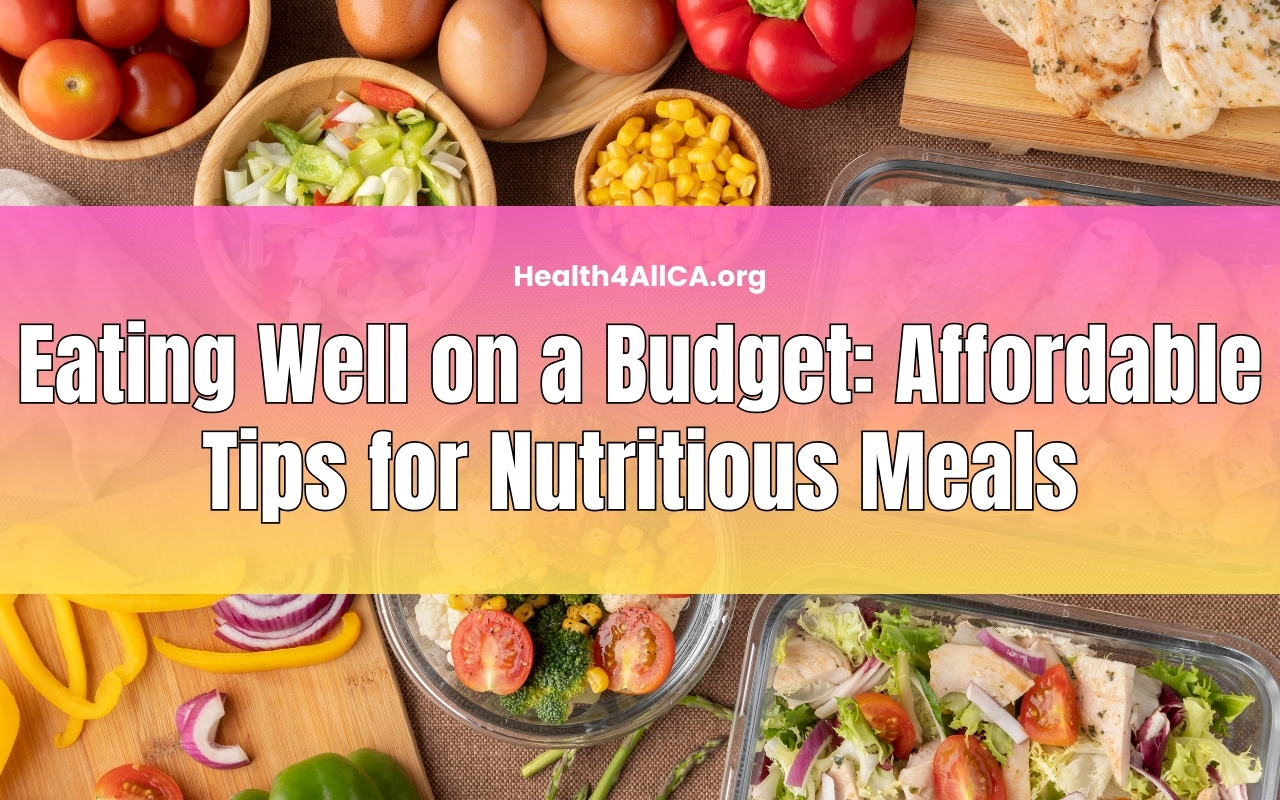
Nutrition plays a pivotal role in overall wellness, yet many perceive healthy eating as an expensive endeavor. Fortunately, there are several strategies to maintain a nutritious diet without overspending.
Meal Planning and Preparation
Planning your meals in advance is one of the most effective ways to save money and eat healthily. By creating a weekly meal plan based on seasonal produce and sales, you can make informed choices that prevent impulsive purchases. Prepare a grocery list and stick to it, which not only helps in budgeting but also reduces food waste.
Cooking at home is another vital aspect of maintaining a healthy diet on a budget. Regularly preparing meals allows you to control ingredients, portion sizes, and ultimately save money. Consider batch cooking on weekends to simplify your weeknight dinners. Websites such as Budget Bytes offer a plethora of budget-friendly recipes that can guide you in creating delicious meals without breaking the bank.
Smart Grocery Shopping
Strategic grocery shopping can greatly enhance your ability to eat healthily while sticking to your budget. Opt for stores that offer bulk buying for non-perishable items and seasonal produce, which is often more affordable and nutritious. Consider store brands, which frequently provide the same quality at a lower price compared to name brands.
Another savvy approach is to take advantage of local farmers' markets. These venues often provide fresh, organic produce at competitive prices and promote a connection to the community. Plus, buying from local producers ensures you’re getting seasonal produce, which is typically cheaper and more flavorful.
Cost-Effective Exercise Options
Physical activity is essential for overall health, but it doesn’t have to come from costly gym memberships. There are numerous ways to incorporate movement into your daily routine without spending a fortune.
Embrace Bodyweight Exercises
Bodyweight exercises like push-ups, squats, and lunges are incredibly effective and can be done anywhere. The beauty of these exercises lies in their accessibility; they require no equipment, making it easy to integrate them into your home or local park. Online resources, such as fitness apps and YouTube channels, offer a variety of workout routines that cater to all fitness levels, allowing you to find something that resonates with you.
Engage with Nature
Exercising outdoors can also provide a refreshing change of scenery while contributing to your fitness. Activities like hiking, jogging, or cycling in your neighborhood not only promote physical health but also enhance mental wellbeing. Nature has a proven impact on reducing stress levels and improving mood; spending time outdoors can do wonders for your mental health.
Consider forming or joining a walking or running group in your community. Exercising with others is not only motivating but can also cultivate a sense of camaraderie and support.
Mental Health and Stress Management on a Budget
Mental health is an integral aspect of wellness that often gets overlooked. However, maintaining good mental health does not have to be expensive.
Practicing Mindfulness and Meditation
Incorporating mindfulness practices into your daily routine can significantly reduce stress and improve mental clarity. Apps like Insight Timer and Smiling Mind offer free guided meditations that can help you cultivate a mindfulness practice. Spending just a few minutes each day focused on your breath or engaging in mindfulness exercises can lead to profound changes in your mental state.
Community resources often provide free or low-cost wellness workshops focused on stress management, meditation, and mindfulness. Attend local events or workshops that foster supportive environments for stress reduction and emotional well-being.
Social Connections
Strong social connections are vital for maintaining mental health. Engage with your community through local groups, clubs, or classes that align with your interests. Building relationships with others can provide emotional support and reduce feelings of loneliness and anxiety.
Organize gatherings with friends or family that do not involve expensive activities. For instance, hosting potlucks or game nights can strengthen relationships without straining your finances. If you need professional support, explore community health centers that offer sliding-scale fees for therapy, making mental health care more accessible.
The Power of Self-Care
Self-care is often perceived as indulgent or unnecessary, but it is a foundational element of a comprehensive wellness strategy. Practicing self-care can take many forms and does not have to involve significant expense.
At-Home Spa Treatments
Pampering yourself at home can be just as beneficial as a day at a spa. Create a calming atmosphere with essential oils for aromatherapy, soothing music, and a warm bath. Consider making your own face masks using ingredients like honey and avocado or take a few moments to enjoy a good book in a cozy corner of your home.
Cultivating a Peaceful Environment
Transforming your home into a sanctuary is an effective way to enhance your sense of well-being. Small changes, like decluttering your space or adding indoor plants, can create a more peaceful and restorative environment. Set aside time for self-reflection or relaxation to nurture your mental and emotional health.
Engage in Creative Activities
Creativity can be a powerful form of self-care. Whether it’s journaling, painting, or engaging in a new craft, creative pursuits can reduce stress and promote a sense of accomplishment. Many free online resources offer tutorials and inspiration, allowing you to explore new hobbies without significant investment.
Community Resources for Wellness
Utilizing community resources can greatly enhance your wellness journey without adding financial stress. Many communities offer free or low-cost programs designed to support health and well-being.
Public Health Clinics
Public health clinics often provide low-cost or no-cost services, including immunizations, preventive care, and wellness screenings. Accessing these services can help you stay on top of your health without incurring substantial expenses.
Local Parks and Recreation
Most communities have parks that serve as venues for physical activities, from walking trails to outdoor fitness equipment. Public libraries often extend their resources by offering free workshops on nutrition, mindfulness, and physical health. Establishing a routine that incorporates these community resources can enhance your wellness without breaking the bank.
Volunteer Opportunities
Volunteering not only benefits others but also promotes your own mental and emotional well-being. Engaging in volunteer activities can provide a sense of purpose and connection, which are essential components of a fulfilling life. Local organizations often welcome those looking to contribute their time and skills, creating a mutually beneficial relationship.
Long-Term Sustainability of Your Wellness Plan
Creating a budget-friendly wellness plan is not merely about short-term changes; it involves cultivating sustainable habits that become part of your daily life. Focus on building a wellness-oriented lifestyle that supports your overall goals and well-being.
Habit Formation
Research indicates that it takes an average of 66 days for a new behavior to become a habit. Start with small, achievable changes and be consistent in your efforts. Using habit-tracking apps can help maintain accountability and motivate progress over time.
Continuous Education
Investing in your knowledge about health and wellness is an essential component of sustaining a wellness plan. Read free health and nutrition blogs, listen to podcasts, or attend community workshops to stay informed about best practices. The more you learn, the better equipped you will be to make informed decisions that positively impact your health.
Emergency Fund for Health
Consider setting aside a small emergency fund specifically dedicated to health-related expenses. This fund can be used for unexpected costs, such as a physical therapy session or a wellness retreat. By having a financial cushion for health-related needs, you can prioritize your health without the added stress of unexpected financial burdens.
Conclusion
Attaining wellness is a journey that encompasses not just the body but also the mind, all while remaining mindful of your budget. By embracing affordable strategies, you can cultivate a fulfilling lifestyle marked by good health and emotional resilience without succumbing to financial stress. Remember that the essence of wellness lies in balance—striking the right combination of nutrition, physical activity, mental health, and social connections is key. Your path to wellness lies in your hands, and with determination and resourcefulness, you can achieve a thriving, fulfilling life that is both healthy and financially sustainable. Start today, and take actionable steps toward creating the life you desire, one affordable choice at a time.