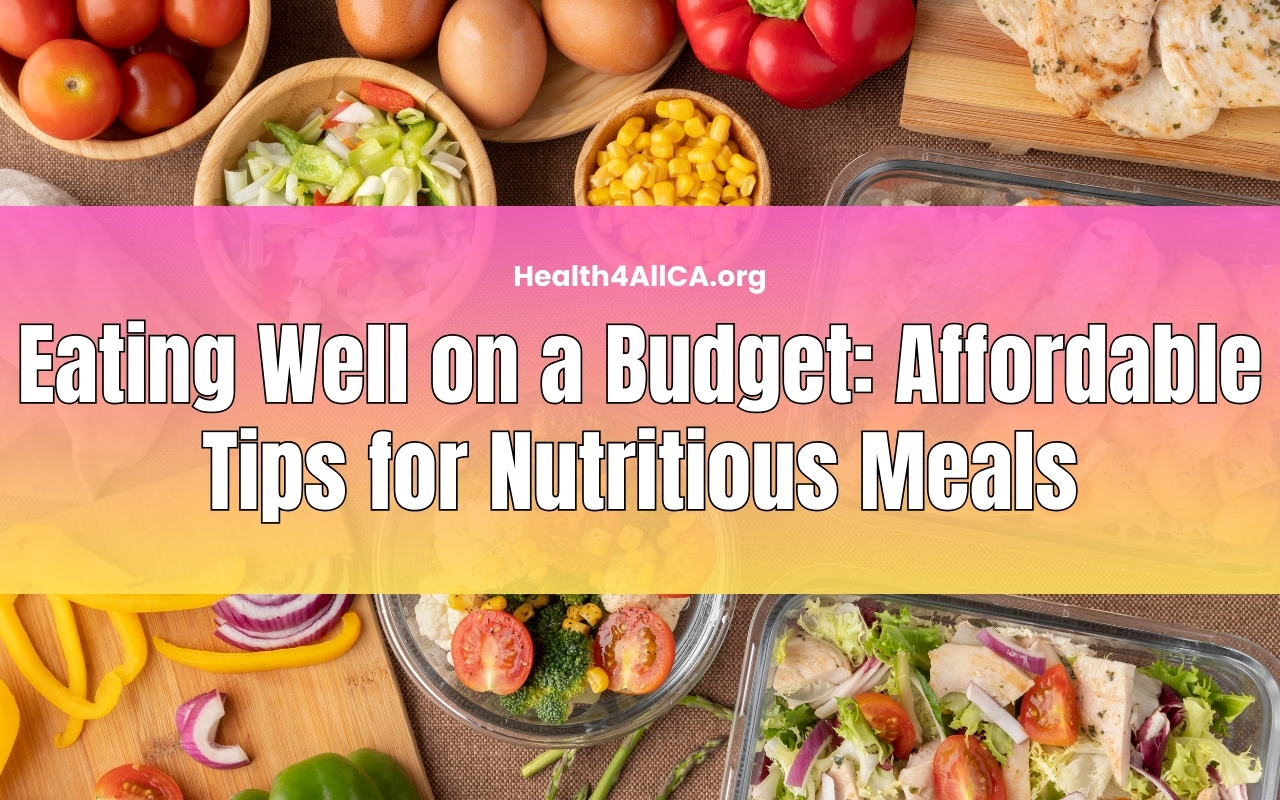
Maintaining a nutritious diet on a tight budget can often feel daunting. Many people believe that healthy eating is an expensive pursuit, but this is a misconception that can be embraced and countered with thoughtful planning and smart shopping strategies. In this article, we delve into various approaches and practical tips to help you prepare delicious, wholesome meals without sacrificing your finances.
Understanding the Importance of Healthy Eating
Eating a balanced diet is crucial for maintaining optimal health, and it can enhance your mood, boost your energy levels, and support your immune system. The challenge arises when financial constraints limit food options. However, it’s entirely possible to align good nutrition with a manageable budget. Healthy eating can be fulfilling and affordable when approached with the right mindset and strategies.
Meal Planning: The Foundation of Budget-Friendly Eating
One of the most effective ways to eat well on a budget is through careful meal planning. This process starts with assessing your weekly schedule, determining how many meals you need, and then selecting recipes that include budget-friendly ingredients.
Begin by checking your pantry and refrigerator for items you already have. This not only helps you avoid waste but also gives you a clearer idea of what you need. Next, create a grocery list based on nutritious recipes that utilize affordable staples such as whole grains, legumes, fresh vegetables, and seasonal fruits. By sticking to this grocery list, you reduce impulse purchases that can lead to overspending.
In addition to this, consider batch cooking meals that can be frozen or stored as leftovers. For example, soups, stews, and casseroles typically yield multiple servings and can be easily reheated. This approach not only saves time but also provides you with nutritious meals at your fingertips.
Smart Shopping Strategies
Navigating the grocery store wisely can drastically cut down on your expenses. Here are several strategies to consider:
- Buy in Bulk: Purchasing staple items in larger quantities can often lead to significant savings. Grains, beans, oats, and nuts usually come at a lower per-unit cost when bought in bulk. Just ensure you have proper storage to keep these items fresh.
- Choose Store Brands: Generic brands often offer the same quality as name brands at a fraction of the price. Don't hesitate to try out these options for pantry staples and everyday ingredients.
- Use Coupons and Promotions: Take advantage of coupons, sales, and loyalty programs offered by grocery stores. Plan your shopping trips around these promotions to maximize your savings.
- Shop Seasonal Produce: Fruits and vegetables that are in season are not only tastier but are also typically less expensive. Visit local farmers’ markets or check weekly ads from your supermarket to find seasonal items at lower prices.
- Explore Canned and Frozen Options: Canned and frozen fruits and vegetables can be cost-effective alternatives to fresh produce. They are often picked at peak ripeness and can be great for cooking, ensuring you always have healthy ingredients on hand.
Building a Balanced Plate
To create a nutritious meal, focus on incorporating a variety of foods from all five food groups: vegetables, fruits, whole grains, protein, and dairy or dairy alternatives. This balanced approach is essential in providing the necessary nutrients your body requires, from vitamins and minerals to fiber and protein.
- Vegetables: Incorporate a mix of colors and types. Aim for dark leafy greens, starchy vegetables, and colorful options like peppers and carrots. These foods are generally low in calories but high in nutrients.
- Fruits: Fresh, frozen, or canned (without added sugar) fruits can satisfy your sweet tooth while providing essential vitamins.
- Whole Grains: Foods such as brown rice, whole grain pasta, quinoa, and oats are excellent sources of energy and should be a staple in your pantry. They keep you fuller for longer, which can help reduce overall calorie intake.
- Proteins: Choose affordable protein sources like beans, lentils, tofu, eggs, and canned fish. These options are both nutrient-dense and budget-friendly.
- Dairy or Alternatives: Incorporate low-fat or fat-free options, or explore plant-based alternatives such as almond or soy milk, which can often be found at lower prices.
Creative Cooking Techniques
Cooking on a budget does not mean you have to sacrifice flavor or variety. With some creativity and kitchen skills, you can whip up delightful meals that are both nutritious and economical. Consider these approaches:
- Repurpose Leftovers: Don’t let remnants of previous meals go to waste. For instance, leftover roasted vegetables can be tossed into salads or omelets, while cooked grains can be the base for grain bowls or stir-fries.
- Explore New Recipes: Challenge yourself to try new recipes that use similar ingredients. This not only prevents boredom with your meals but also helps you make the most of what you have.
- Cook with Herbs and Spices: Enhance the flavor of your meals with herbs and spices. They can transform simple ingredients into tantalizing dishes without adding significant costs. Fresh herbs grown at home can make for a budget-friendly way to elevate your cooking.
- Use Cooking Methods that Save Time and Money: Slow cookers and pressure cookers can make preparing meals easier and less energy-intensive. They are particularly useful for cooking tough cuts of meat or bulk grains, yielding meals that satisfy and nourish.
Snacking Smartly
Healthy snacking is part of a balanced diet and can keep hunger at bay between meals. However, it’s essential to choose snacks wisely to avoid unhealthy, expensive options. Here are some budget-friendly snack ideas:
- Homemade Trail Mix: Combine nuts, seeds, dried fruits, and a bit of dark chocolate for a nutritious snack that’s both satisfying and cost-effective.
- Fresh Fruits: Apples, bananas, oranges, and seasonal berries are quick, easy, and inexpensive options that provide natural sweetness and fiber.
- Vegetable Sticks with Dip: Carrots, celery, or bell pepper strips paired with hummus or yogurt-based dips make for a crunchy and nutritious snack.
- Energy Balls: A mix of oats, nut butter, honey, and add-ins like chocolate chips or shredded coconut can be rolled into energy balls, providing a quick and healthy bite whenever hunger strikes.
Encouraging a Positive Mindset
Transitioning to healthier eating habits on a budget may require a change in mindset. Cultivating a positive relationship with food can lead to better choices and satisfaction in your meals.
Don’t view healthy eating as a restriction but rather as a lifestyle choice that rewards you with vitality and well-being. Celebrate small victories, such as successfully cooking a nutritious meal or trying a new recipe that you enjoyed. The more you involve yourself in this journey, the more fulfilling it becomes.
Conclusion
Eating well on a budget is not only achievable, but it can also be a rewarding experience that enhances your quality of life. By implementing strategic meal planning, smart shopping techniques, creative cooking, and a positive mindset, anyone can enjoy nutritious meals without overspending.
If you need more resources to explore budget-friendly eating, check out MyPlate and USDA for additional tips and strategies.
Embrace the journey of nourishing your body healthily and affordably, and remember that every small step towards better eating can lead to monumental changes in your health and well-being.