
In an era where prescription medications dominate the landscape of healthcare, the importance of preventive measures and natural health solutions often takes a back seat. While medications are essential for treating certain illnesses and managing chronic conditions, they frequently mask symptoms rather than addressing the root causes of health issues. Recognizing this, many are turning to natural methods for maintaining health and preventing disease, understanding that lifestyle choices can be powerful tools in promoting overall wellness. This article explores a range of natural strategies that can help you achieve and sustain good health, focusing on nutrition, physical activity, mental well-being, and holistic practices.
The Power of Nutrition
Nutritional choices form the cornerstone of a healthy lifestyle. The food we consume daily impacts our body and mind profoundly. Prioritizing a balanced diet filled with whole foods—fruits, vegetables, whole grains, lean proteins, and healthy fats—can significantly reduce the risk of chronic diseases such as obesity, diabetes, and heart disease. These conditions often arise from poor diet and lifestyle choices rather than genetic predispositions alone.
Emphasizing Whole Foods
Whole foods provide essential nutrients that our bodies need to function optimally. Incorporating a colorful variety of fruits and vegetables in your meals ensures that you receive an array of vitamins, minerals, and antioxidants. For instance, leafy greens like kale and spinach are packed with vitamins A, C, and K, while berries are rich in antioxidants that combat oxidative stress and inflammation. Similarly, whole grains such as quinoa and brown rice provide necessary fiber, which supports digestive health and helps maintain steady blood sugar levels.
Additionally, consider healthy proteins such as fish, poultry, legumes, and nuts. These foods contribute to muscle repair, hormone regulation, and overall energy levels. Including omega-3 fatty acids found in fatty fish like salmon can specifically support heart health and cognitive function. On the other hand, aiming to minimize the intake of processed foods—often laden with added sugars, unhealthy fats, and artificial ingredients—can have a profound beneficial impact on your health.
Mindful Eating Practices
Mindful eating is another essential aspect of nutrition. It encourages individuals to focus on the experience of eating—paying attention to flavors, textures, and sensations. This practice not only enhances enjoyment but can also prevent overeating by fostering a deeper connection with food. When you eat mindfully, you can better recognize your body's hunger and fullness signals, making it easier to maintain a healthy weight. Taking the time to prepare meals and savor each bite can lead to a more gratifying relationship with food.
Regular Physical Activity
Alongside nutrition, physical activity is a critical component of a holistic approach to health. Engaging in regular exercise not only combats the risk of chronic diseases but also boosts mental health, enhances mood, and improves overall quality of life. Aiming to integrate a variety of physical activities into your weekly routine can maximize health benefits while keeping things enjoyable.
Finding Your Rhythm
Whether it's brisk walking, dancing, cycling, or yoga, finding a form of exercise that resonates with you is crucial. Aim for at least 150 minutes of moderate-intensity aerobic activity each week. This can be broken down into smaller increments throughout the day, making it easier to fit into a busy schedule. Strength training is equally important; incorporating weights or resistance bands into your routine at least twice a week can improve muscle strength and support metabolic function.
Moreover, exercising outdoors can significantly enhance the experience. Nature has a profound effect on well-being—fresh air and natural scenery can reduce stress, elevate mood, and improve focus. Whether you take a walk through a park or participate in group sports, the connection with nature amplifies the health benefits of physical activity.
The Stress Connection
Effective management of stress through physical activity can also be a game-changer. When you exercise, your body releases endorphins—known as the “feel-good” hormones—which can alleviate feelings of stress and anxiety. Establishing a consistent routine helps regulate stress hormones and contributes to emotional stability. In this way, exercise serves not only as a tool for physical fitness but also as a powerful ally for emotional health.
Prioritizing Mental Well-Being
Mental health is equally as important as physical health in the journey towards a well-rounded, healthy lifestyle. The connection between body and mind is profound—stress and anxiety can exacerbate physical health issues, while good mental health can improve physical conditions.
Strategies for Mental Wellness
Practices such as mindfulness meditation, journaling, or connecting with loved ones can improve mental clarity and enhance emotional resilience. Taking short breaks throughout the day to practice deep breathing techniques or meditation can help ground you in the present moment, reducing anxiety and fostering peace of mind. Additionally, allocating time for hobbies and interests can ignite passion and provide fulfillment, contributing to overall happiness.
Furthermore, prioritizing sleep is essential for mental health. Quality sleep allows your body and mind to recharge, enhancing cognitive function, memory, and mood. Aim for 7-9 hours of quality sleep each night by establishing a consistent sleep routine, creating a calming pre-sleep environment, and minimizing screen time before bed.
The Role of Preventive Healthcare
While lifestyle changes play a pivotal role in health maintenance, preventive healthcare cannot be overlooked. Regular check-ups, screenings, and vaccinations are vital in identifying potential health issues before they become serious. Everyone should have a tailored healthcare plan that addresses individual health needs, risks, and goals.
Building a Healthcare Team
Open communication with healthcare professionals ensures that you receive personalized advice that considers your lifestyle and health history. This relationship is crucial in navigating any concerns you may have regarding medications, natural supplements, and alternative therapies. Establishing a partnership with your doctor can empower you to make informed decisions that align with your health philosophy.
Moreover, staying informed about your health can enhance your ability to be proactive. Understanding your family history can provide insights into potential health risks, allowing you to take preventive action early on. This knowledge, paired with a commitment to healthy lifestyle choices, sets the foundation for long-term well-being.
Holistic Practices and Natural Remedies
Incorporating holistic practices and natural remedies into your health regimen can further enhance your well-being. Many people find relief and support through alternative therapies, which can complement conventional medicine. Whether it’s through herbal supplements, acupuncture, or chiropractic care, exploring these options can lead to improved health outcomes.
Embracing Herbal Supplements
Herbal supplements, such as turmeric, ginger, or echinacea, have long been praised for their health benefits. For example, turmeric contains curcumin, a potent anti-inflammatory compound that may promote joint health and reduce the risk of chronic diseases. Ginger, known for its digestive support, can also aid in alleviating nausea and inflammation. However, it is crucial to consult with a healthcare professional before starting any new herbal supplement, as interactions with medications can occur.
The Benefits of Mind-Body Practices
Mind-body practices such as yoga and tai chi not only improve flexibility and balance but also contribute to mental and emotional well-being. These disciplines emphasize mindfulness and holistic health, fostering a deeper connection to oneself. Engaging in regular classes or even practicing at home can enrich your life, providing physical and mental benefits.
Furthermore, addressing emotional and psychological needs through practices like therapy or counseling can yield substantial improvements in overall health. Mental health is just as important as physical health, and dedicating time to work through emotional challenges can lead to long-lasting change.
Conclusion
The shift towards natural health strategies and preventive measures represents a significant step in achieving holistic wellness. By prioritizing nutrition, physical activity, mental well-being, and holistic practices, individuals can cultivate a sustainable approach to health that minimizes reliance on prescription medications. Embracing this proactive mindset empowers you to take charge of your health, reduce the risk of chronic diseases, and improve your overall quality of life. As you embark on this journey, remember that small, consistent changes can lead to substantial progress over time.
Explore the resources available at CDC and FDA for more insights into maintaining a health-focused lifestyle. Let your journey to wellness be guided by the belief that prevention is indeed more effective than prescription, and that the power to create a healthy life lies within you.
 In the hustle and bustle of modern life, many individuals find it challenging to maintain a well-rounded diet that provides all the essential nutrients required for optimal health. As a result, nutrient deficiencies can develop, leading to a host of health issues. The good news is that nature often provides remedies for these common deficiencies. Understanding what your body may be missing and how to address those gaps through natural means is crucial for enhancing overall well-being.
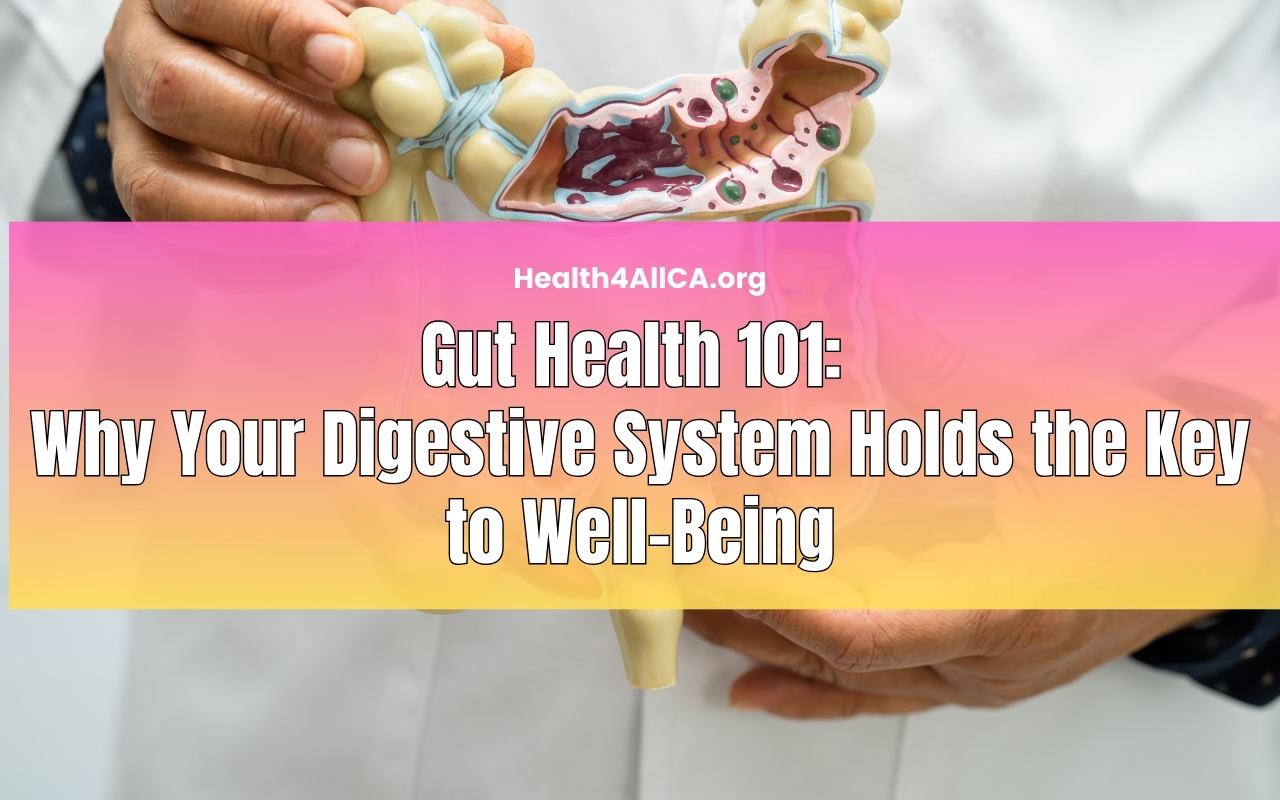 In recent years, the significance of gut health has surged to the forefront of health conversations, transforming it into a cornerstone of overall well-being. Once relegated to the sidelines of our health discussions, the gut has now emerged as a key player that influences not only our digestive processes but also our immune system, mood, energy levels, and chronic disease risk. Understanding the intricate relationship between our gut and our overall health is essential to fostering a life of vitality. This article will delve into the critical functions of the digestive system, common digestive issues, and actionable steps for nurturing gut health, thereby empowering you to take charge of your well-being.
 In a world increasingly embracing plant-based diets, understanding the role of protein in maintaining energy and promoting overall wellness is essential. Plant-based proteins not only provide the necessary building blocks for muscle repair and growth but also play a significant role in enhancing vitality and longevity. This article highlights the best plant-based protein sources available, detailing their benefits, nutritional content, and how they can seamlessly fit into your daily diet for enhanced health and energy.
 Reducing sugar intake is a goal many strive for, yet it often comes with the concern of feeling deprived. The good news is that cutting down on sugar can be achieved without sacrificing joy in eating. A well-structured approach allows you not only to diminish your sugar consumption but also to find satisfying alternatives that keep your taste buds delighted. This article will explore practical strategies and effective habits that advocate a balanced diet while enabling you to relish your meals and snacks.