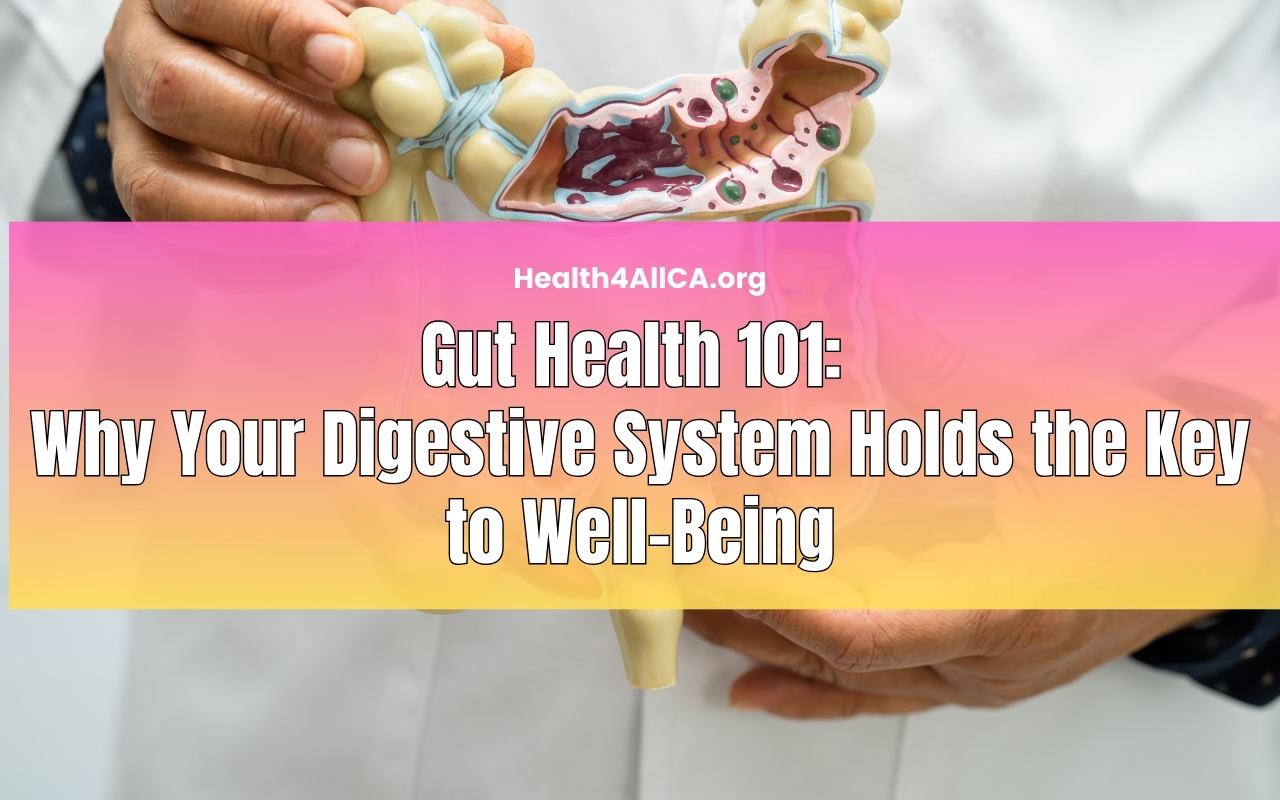
 In recent years, the significance of gut health has surged to the forefront of health conversations, transforming it into a cornerstone of overall well-being. Once relegated to the sidelines of our health discussions, the gut has now emerged as a key player that influences not only our digestive processes but also our immune system, mood, energy levels, and chronic disease risk. Understanding the intricate relationship between our gut and our overall health is essential to fostering a life of vitality. This article will delve into the critical functions of the digestive system, common digestive issues, and actionable steps for nurturing gut health, thereby empowering you to take charge of your well-being.
The Digestive System: More than Just Digestion
At its core, the digestive system is responsible for breaking down the food we consume, extracting essential nutrients, and ultimately expelling waste. However, this complex network involves much more than mere digestion; it also serves as an essential battleground for maintaining a balanced ecosystem of microbes known as the gut microbiome. This diverse community of bacteria, viruses, fungi, and other microorganisms plays a pivotal role in various physiological functions ranging from digestion and metabolism to immune response and even mental health.
The human gut microbiome contains trillions of microorganisms that contribute to a host of functions. They assist in digesting food that the body cannot break down on its own, produce essential vitamins like B12 and K, and regulate the immune system by forming a barrier against harmful pathogens. The interplay between the gut and the body extends beyond these notable roles, influencing everything from blood sugar levels to cardiovascular health, and even our mental well-being.
A healthy gut microbiome flourishes, ensuring effective digestion and nutrient absorption. Conversely, an imbalance in gut bacteria can result in a multitude of health issues, demonstrating the necessity of maintaining a healthy gut environment. It's clear that the gut is not simply a digestive organ; it is a complex, intelligent system that holds the key to our overall health.
Signs of an Unhealthy Gut
Many individuals may not realize when their gut is out of balance. It's critical to recognize the signs of a suboptimal digestive system, as these symptoms often manifest in ways that can be easily overlooked. Common indicators include:
- Digestive Discomfort: Symptoms such as bloating, gas, constipation, diarrhea, and heartburn can be telltale signs that your gut health may need attention.
- Fatigue and Low Energy: If your gut is struggling with dysbiosis—an imbalance of gut bacteria—this can hinder nutrient absorption, resulting in chronic fatigue and a lack of energy.
- Skin Problems: Conditions like acne, eczema, and psoriasis can often be traced back to gut imbalances, suggesting that skin health is intrinsically linked to gut health.
- Mood Disorders: The gut-brain axis creates a direct link between our digestive health and mental well-being. Poor gut health can contribute to anxiety and depression, highlighting the importance of nurturing your gut.
- Food Intolerances: An unhealthy gut may lead to an inability to digest certain foods, resulting in food sensitivities or allergies that can further complicate your diet and lifestyle.
If you experience any of these symptoms regularly, it's vital to consult with a healthcare professional to explore potential underlying issues and tailor a plan for improving your gut health.
The Role of Diet in Gut Health
One of the single most influential factors affecting gut health is diet. The foods we consume powerfully shape our microbiome, either supporting it or contributing to dysbiosis. A balanced diet rich in whole, nutrient-dense foods is essential for fostering a robust gut environment.
Fermented Foods
Fermented foods are a powerhouse for gut health, teeming with probiotics, which are beneficial bacteria that promote a healthy gut microbiome. Items like yogurt, kefir, sauerkraut, kimchi, and kombucha can significantly enhance microbial diversity and support digestive health. Incorporating these foods into your diet can help to reinvigorate your gut, especially after periods of illness or antibiotic use, when beneficial bacteria might have been depleted.
Fiber-Rich Foods
High-fiber foods are essential for supporting gut health as they provide nourishment for beneficial bacteria. Foods like fruits, vegetables, legumes, and whole grains are excellent sources of fiber and serve as prebiotics, which feed and stimulate the growth of healthy gut bacteria. A diet low in fiber can lead to constipation, inflammatory bowel conditions, and other digestive issues, so aim to include a variety of high-fiber foods in your meals.
Prebiotic Foods
Prebiotics are a special type of fiber that humans cannot digest but serve as food for probiotics. Foods rich in prebiotics include garlic, onions, leeks, asparagus, bananas, and oats. Including these in your diet not only boosts the population of beneficial gut bacteria but also supports a well-functioning digestive system.
Lean Proteins and Healthy Fats
Incorporating lean proteins like chicken, fish, tofu, and legumes can contribute to gut health by providing necessary nutrients without putting undue strain on your digestive system. Healthy fats found in avocados, olive oil, nuts, and seeds are also invaluable. They help reduce inflammation in the gut and provide energy for beneficial bacteria.
Lifestyle Factors: Exercise, Sleep, and Stress Management
While diet plays a vital role in gut health, several lifestyle factors are equally important for maintaining a balanced microbiome. Regular physical activity, adequate sleep, and effective stress management contribute significantly to digestive health.
The Importance of Exercise
Regular exercise promotes gut motility, enhancing the movement of food through the digestive tract. Engaging in at least 150 to 180 minutes of moderate-intensity exercise each week, such as walking, swimming, or cycling, is beneficial not only for gut health but also for overall wellness. Exercise has been shown to increase the diversity of gut bacteria, lower inflammation, and can also significantly improve mood and mental clarity.
Prioritizing Sleep
Quality sleep is fundamental for good health and well-being. Studies have shown that the activities of gut bacteria are guided by our circadian rhythms. Thus, aiming for seven to eight hours of restful sleep per night not only aids in digestion but also supports a healthy microbiome. Establishing a consistent sleep schedule and practicing relaxation techniques can vastly improve your sleep quality and, in turn, your gut health.
Stress Management Techniques
Chronic stress wreaks havoc on both our mental and physical health. It can lead to digestive issues such as heartburn and diarrhea, as well as contribute to an imbalance in gut bacteria. Prioritizing mental well-being through stress management techniques—such as deep breathing, meditation, yoga, or engaging in hobbies—can significantly support your digestive health. Taking breaks and allowing yourself leisure time are essential to maintaining a healthy balance in life, directly influencing gut health.
The Gut-Brain Axis: A Two-Way Street
One of the most fascinating aspects of gut health is its connection to mental well-being, known as the gut-brain axis. This network of nerves and biochemical signals enables communication between the gut and the brain, influencing our mood, stress levels, and cognitive function. Remarkably, nearly 90% of serotonin, the neurotransmitter associated with feelings of happiness and well-being, is produced in the gut, highlighting the critical link between our digestive health and mental state.
Research has increasingly shown that individuals with gut dysbiosis can experience heightened anxiety and depressive symptoms. Conversely, a diverse and balanced microbiome can bolster mental health and well-being. Prioritizing gut health can ultimately lead to better emotional resilience and a more positive outlook on life.
Common Digestive Disorders
As we navigate the complexities of gut health, it’s essential to recognize some common digestive disorders that may arise from an imbalanced gut microbiome. These conditions can range from functional gastrointestinal disorders to more severe issues that may require medical intervention. Common digestive issues include:
- Irritable Bowel Syndrome (IBS): Characterized by chronic symptoms of abdominal pain, bloating, and alterations in bowel habits, IBS is often linked to dysbiosis and gut inflammation.
- Gastroesophageal Reflux Disease (GERD): GERD occurs when stomach acid flows back into the esophagus, causing heartburn and discomfort. Dietary choices and gut health are crucial factors in managing this condition.
- Inflammatory Bowel Disease (IBD): Conditions such as Crohn's disease and ulcerative colitis are characterized by chronic inflammation of the gastrointestinal tract, and they can lead to significant complications.
- Celiac Disease: An autoimmune condition triggered by the consumption of gluten, celiac disease leads to damage in the small intestine, affecting nutrient absorption and resulting in various gastrointestinal symptoms.
If you suspect you may be grappling with any of these disorders, it’s important to consult with a healthcare provider to properly diagnose and manage your condition.
Taking Charge of Your Gut Health
Empowering oneself with the knowledge of how to nurture gut health is an essential step toward achieving overall well-being. Small, manageable changes in diet and lifestyle can lead to significant improvements in gut function, mood, and immune health. Begin by:
- Incorporating a variety of fermented foods into your diet, aiming for at least one serving per day.
- Emphasizing high-fiber foods and prebiotics, ensuring you consume at least 25-30 grams of fiber daily.
- Engaging in regular physical activity that you enjoy, aiming for at least 150 minutes of moderate exercise weekly.
- Prioritizing restful sleep by establishing a consistent routine and developing relaxation techniques.
- Managing stress through mindfulness practices, creative outlets, or simply enjoying time with loved ones.
These simple yet effective strategies can make a profound difference in your gut health, leading to enhanced overall well-being.
Conclusion
The intricacies of gut health and its far-reaching implications on our total health cannot be overstated. By understanding the essential role of the gut microbiome, recognizing the signs of an unhealthy gut, and making informed dietary and lifestyle choices, we hold the power to shape our well-being. As we continue to unravel the connections between our digestive health and overall wellness, let us take proactive steps to cultivate a thriving gut environment—one that nourishes not only our bodies but also our minds and spirits. Make today the day you embark on your gut health journey, empowering yourself to live the vibrant life you deserve.
For further reading on cultivating healthy gut habits, check out these resources: Alto Blog, Walgreens Blog, and Calgary Integrative Medicine.
Leave a Reply