At Health4AllCA.org, our mission is to make wellness accessible and affordable for everyone. We believe that maintaining good health shouldn't come with a high price tag. Quercetin, a powerful antioxidant found in everyday fruits, vegetables, and grains, is a budget-friendly way to support your health naturally. This guide explores the benefits of quercetin, its potential side effects, recommended dosage, and how to include it in your diet without breaking the bank.
What is Quercetin?
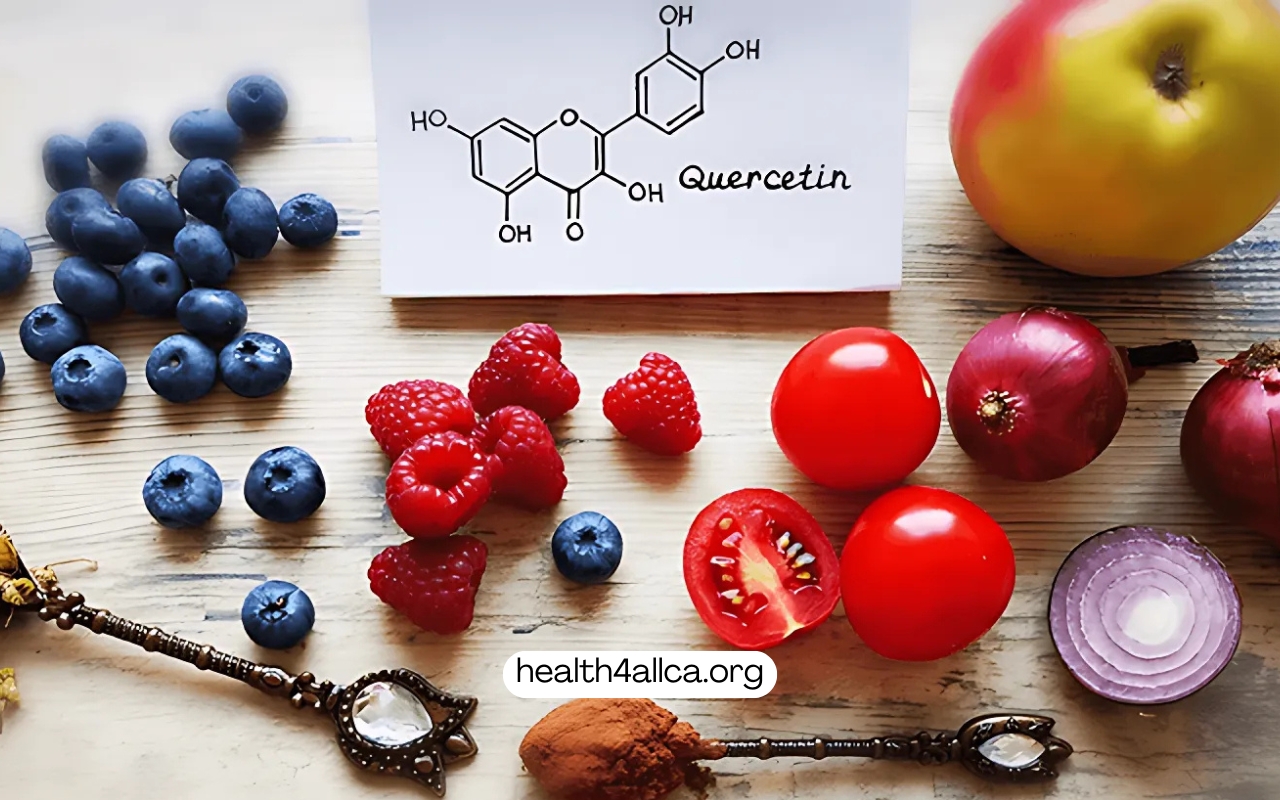
Quercetin is a natural flavonoid with strong antioxidant properties. It is abundant in many affordable and widely available foods, including:
- Fruits: Apples, berries (blueberries, cranberries, raspberries), and citrus fruits.
- Vegetables: Onions (especially red and white), broccoli, kale, and asparagus.
- Grains and Seeds: Buckwheat and capers.
- Beverages: Green tea, black tea, and red wine.
As a potent antioxidant, quercetin helps your body combat oxidative stress and reduce inflammation. Incorporating quercetin-rich foods into your meals is a simple and economical way to enhance your overall wellness.
Health Benefits of Quercetin
1. Reduces Inflammation
Inflammation is a common contributor to chronic illnesses such as arthritis, heart disease, and certain cancers. Quercetin’s anti-inflammatory properties can help reduce symptoms of these conditions, offering a natural and low-cost alternative to expensive medications and treatments.
2. Supports Immune Health
Quercetin may boost your immune system by promoting healthy immune cell function and reducing the severity of common illnesses. During cold and flu season, enjoying a cup of green tea or adding apples and berries to your meals can provide an affordable immune boost.
3. Promotes Heart Health
Heart health is vital for everyone, and quercetin may help improve blood vessel function, lower blood pressure, and reduce oxidative stress. Simple and inexpensive choices like adding onions and broccoli to meals can make a big difference over time.
4. Aids in Allergy Relief
For those who struggle with allergies, quercetin may offer natural relief by reducing the release of histamines. Instead of turning to costly allergy medications, consider trying foods rich in quercetin to help manage symptoms naturally.
5. Enhances Brain Health
Keeping your mind sharp doesn’t require pricey supplements. Quercetin’s neuroprotective effects may reduce the risk of cognitive decline and support overall brain health, especially when included in a balanced, nutrient-rich diet.
Affordable Ways to Include Quercetin in Your Diet
Eating well on a budget is possible with quercetin-rich foods that are often affordable and easily accessible:
- Capers: These small but powerful foods can add flavor and nutrition to pasta dishes, salads, and sauces.
- Onions: A staple in many households, onions provide quercetin and are versatile for cooking on a budget.
- Berries: Look for sales or buy frozen berries to save money while still reaping the health benefits.
- Apples: Affordable and widely available, apples make a great snack and a simple way to increase your quercetin intake.
- Green and Black Tea: An economical option for boosting quercetin while staying hydrated. Tea bags are often inexpensive and can be reused to maximize value.
Recommended Dosage of Quercetin
If you're considering quercetin supplements as an affordable option, here are some guidelines:
- For General Wellness: 500 mg per day, which can often be found in reasonably priced supplements.
- For Managing Inflammation or Allergies: 500–1,000 mg per day, split into two doses, can provide added benefits without significant cost.
- For Immune Support: Pairing quercetin with vitamin C can enhance absorption, and many affordable supplements offer this combination.
Tips for Budget-Friendly Supplement Use
- Compare Prices: Look for generic brands or bulk options to reduce costs.
- Use Food First: Whenever possible, get quercetin from whole foods to save money and avoid unnecessary supplements.
- Shop Sales: Many supermarkets offer discounts on fresh and frozen produce, allowing you to stock up on quercetin-rich foods.
Safety and Potential Side Effects
Quercetin is generally safe when consumed through food or taken as a supplement in recommended doses. However, high doses (over 1,000 mg per day) may lead to mild side effects such as:
- Headaches
- Digestive discomfort
- Mild tingling sensations
Precautions
- During Pregnancy and Breastfeeding: Stick to dietary sources of quercetin, as supplements have not been thoroughly studied for safety in these groups.
- Medication Interactions: If you are on blood pressure or antibiotic medications, consult a healthcare provider before starting quercetin supplements to avoid adverse interactions.
Conclusion
Quercetin offers a natural, affordable way to support your health, from reducing inflammation and boosting immunity to enhancing cardiovascular and brain health. Whether you incorporate it through inexpensive whole foods or choose budget-friendly supplements, quercetin can be a valuable addition to your wellness routine.
At Health4AllCA.org, our volunteers are here to help you find accessible health solutions that fit your budget. For more tips on maintaining wellness affordably, explore our resources or connect with our community for support. Together, we can make healthy living achievable for all!
Related: Mullein Leaf Extract