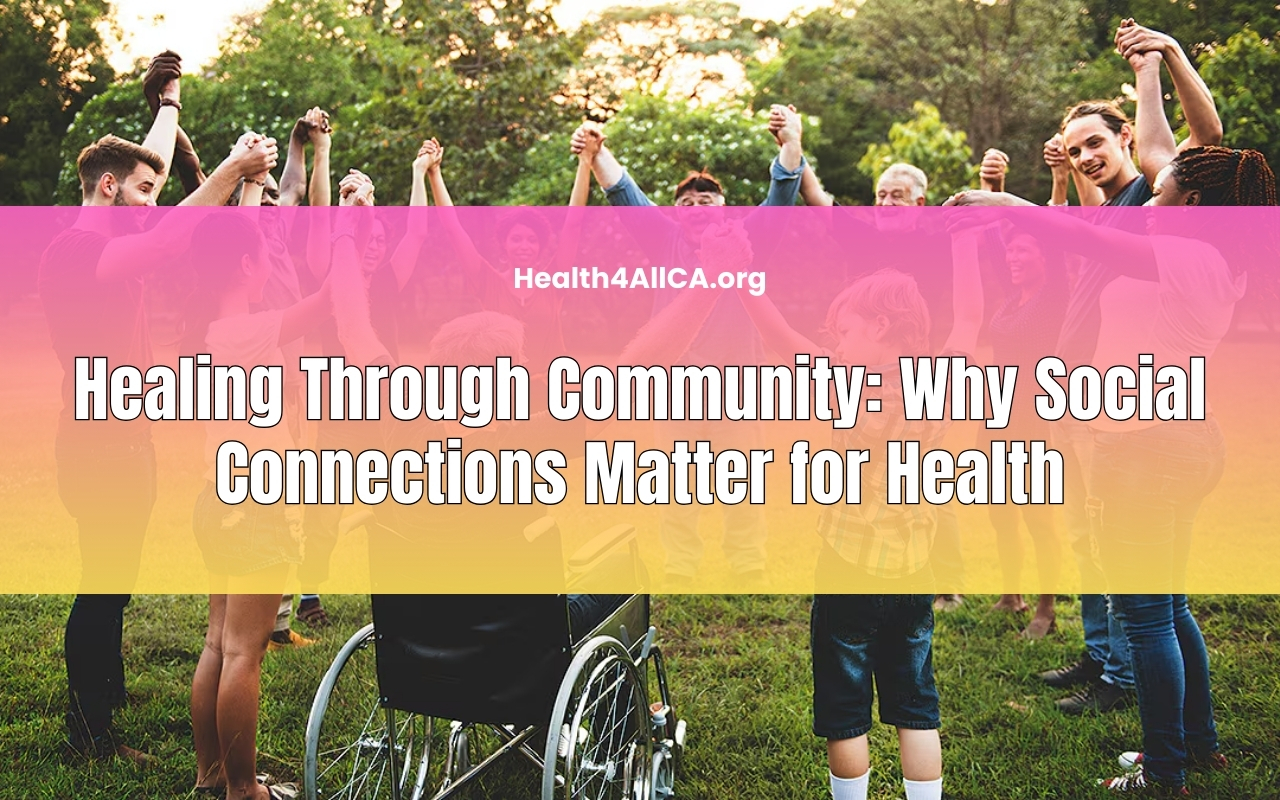
In our increasingly digital world, the depth of our social connections often feels superficial, crowded by the rapid pace of life and the relentless march of technology. Yet, beneath this veneer lies a profound truth: social connections are essential for our health and well-being. Research consistently shows that forming and nurturing relationships can lead to improved mental, emotional, and physical health outcomes. This article explores the healing power of community and the undeniable importance of social connections in promoting health.
Social connection is not merely a luxury or a pleasant aspect of life; it is a fundamental social determinant of health. Lack of social interaction can lead to detrimental outcomes that can affect an individual's overall well-being. Studies indicate that social isolation may pose risks even more severe than smoking or obesity, making it a significant public health concern. In fact, social isolation and loneliness are associated with an increased risk of heart disease, stroke, depression, and anxiety. A landmark study revealed that the absence of social connections was a greater detriment to health than factors such as high blood pressure and obesity. Conversely, individuals with strong social ties experience lower levels of stress, greater happiness, and even longevity.
The nurturing aspects of community engagement play a crucial role in bolstering our mental health. Communities provide safe spaces for individuals to express themselves authentically, build trust, and gain support during challenging times. They foster an environment where members can share their experiences and feelings openly, allowing for mutual understanding and compassion. Such interactions are vital, especially when life presents obstacles, as they can help individuals feel less alone in their struggles.
The science behind social connections offers remarkable insights into how these relationships positively influence our biological and psychological well-being. Research has shown that when we engage meaningfully with others, our bodies release hormones like oxytocin and endorphins, which promote feelings of happiness and reduce pain. These biological responses are the body’s way of rewarding social interaction, highlighting its inherent necessity. A warm smile, a comforting hug, or even a heartfelt conversation can trigger these positive changes, demonstrating that connections are not just beneficial—they are essential to our health.
By cultivating strong social networks, we can positively impact our emotional well-being, reduce feelings of anxiety and depression, and enhance coping abilities. The emotional support gained through community can act as a buffer against stressors, allowing individuals to navigate life's challenges with a greater sense of resilience. In fact, supportive relationships have been linked to improved mental health outcomes, enabling people to experience a higher quality of life.
Another significant aspect of community connections is their ability to foster a sense of belonging. Humans are inherently social creatures, and our need for attachment is rooted deeply in our biology. Belonging provides a sense of security and safety, often stemming from early childhood relationships with caregivers, which shape how we form future connections. Communities can reinforce this sense of belonging through shared experiences, rituals, and support systems, making individuals feel valued and understood.
Moreover, social connections can encourage healthy behaviors and lifestyle choices. Engaging with peers in community settings can lead to increased physical activity, better nutrition, and a commitment to overall wellness. For example, group activities such as communal fitness classes, cooking workshops, or collective volunteering can enhance motivation and accountability, ultimately contributing to healthier lifestyles. The encouragement of friends and family can inspire individuals to prioritize their well-being in a manner that may be challenging to achieve alone.
To further illustrate the benefits of social connectedness, consider the role of community during periods of stress or healing. Research suggests that individuals recovering from illness or facing emotional turmoil fare better when they have a robust support system. The presence of caring individuals can significantly impact recovery time, as it provides emotional reinforcement. Engaging with others can not only distract from pain but also promote healing by allowing individuals to share their experiences and feelings, creating a shared journey toward recovery.
The therapeutic potential of community is also echoed in therapeutic practices, such as group therapy and support groups, where individuals share experiences and feelings within a group setting. These platforms facilitate connections and allow for shared healing, reinforcing the idea that healing often occurs within a relational context. Individuals can draw strength from one another, exchange coping strategies, and celebrate each other’s victories, which can lead to profound improvements in mental health.
However, while it's clear that communities can serve as a boon for physical and mental health, it is also essential to recognize that not all community experiences are inherently positive. Some individuals may face barriers to seeking or maintaining social connections, such as socioeconomic status, geographical location, or cultural factors. Addressing these challenges necessitates concerted efforts to promote inclusivity and equity within communities. Investing in initiatives that foster social inclusion can help bridge gaps and ensure that everyone has access to supportive networks.
In addition to nurturing existing relationships, communities should also focus on creating access to opportunities for individuals to connect with others. This can include enhancing transportation access, developing public spaces like parks, and facilitating community events that encourage participation. The strategies employed should aim to create environments that promote socialization and community engagement, empowering individuals to cultivate relationships.
As we navigate the complexities of modern life, it is vital to remember the transformative power of human connection. Prioritizing social interactions doesn't just help us cope with stress; it can also significantly enhance our quality of life. The journey toward wellness is inherently intertwined with our relationships, and recognizing this can lead us to make more intentional choices about how we engage with others.
Engaging with others can take many forms. Whether through joining local clubs, participating in community service, or attending events, each interaction has the potential to strengthen bonds. Technology has also played a pivotal role in maintaining connections across distances, allowing individuals to reach out and support one another virtually. However, while digital communication can be beneficial, it should not replace face-to-face interactions, which can provide a more profound sense of belonging and emotional support.
In conclusion, the importance of social connections for health cannot be overstated. From enhancing emotional resilience to promoting healthier lifestyles, the benefits of community engagement are vast and impactful. Taking the time to cultivate and maintain these relationships can provide immeasurable benefits to our overall health and well-being. As we strive to create communities that foster connection, let us remember that we are not only improving our lives but also contributing positively to the lives of those around us.
To learn more about the importance of social connections and how to promote social health within communities, resources such as the Center for Compassion and Altruism Research and Education and the CDC on Promoting Social Connection provide valuable information and strategies. Embracing the healing capacity of community can lead us all to a healthier, more fulfilling life.
Leave a Reply