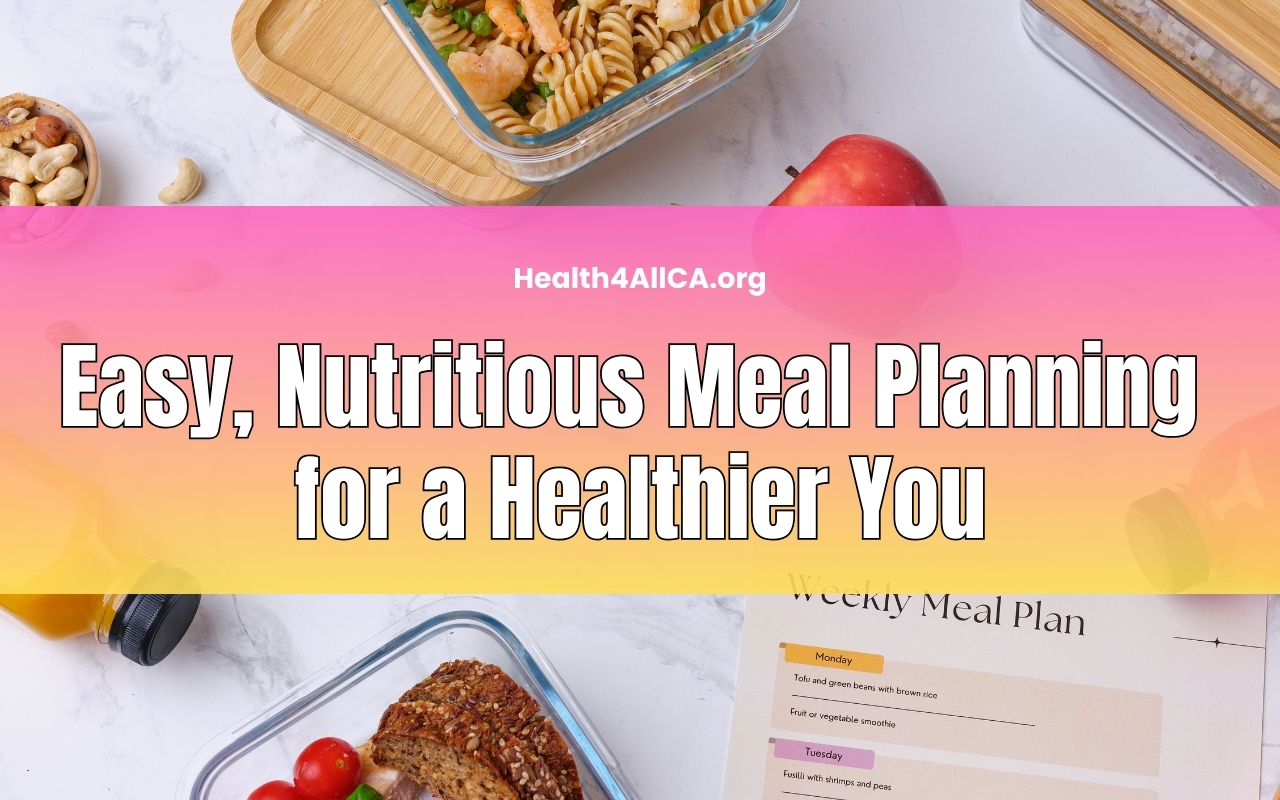
 In our fast-paced world, prioritizing health while juggling a busy schedule can seem daunting. Meal planning emerges as a practical and effective solution to this common challenge. Not only does it save time and money, but it also empowers individuals to make healthier choices. This article delves into the essentials of easy and nutritious meal planning, equipping you with the strategies and knowledge necessary to foster your wellbeing and enhance your culinary skills.
Understanding the Importance of Meal Planning
Meal planning is more than just a trendy buzzword; it is a crucial practice that can positively impact your health, environment, and financial wellbeing. The primary goal is to simplify the decision-making process associated with food, allowing individuals to focus on enjoying their meals rather than scrambling to prepare them amidst a busy schedule.
By planning meals in advance, you create an opportunity to incorporate more wholesome foods into your diet. This strategic approach can help diversify your nutrient intake, leading to enhanced energy levels, better mood regulation, and improved physical health. Moreover, by consciously choosing ingredients, you can control portion sizes and avoid the pitfalls of unhealthy snacking or impulse eating. This is particularly beneficial when selecting ingredients that align with dietary goals, whether those goals include weight management, muscle gain, or simply maintaining overall health.
In addition to health benefits, meal planning contributes to reducing food waste and maximizing budget efficiency. When you develop a grocery list based on your planned meals, you minimize the chances of purchasing unnecessary items that may later go uneaten. This is particularly vital in today’s economic climate, where rising food prices can impact household budgets. By planning wisely, you can achieve both nutritional goals and cost-effectiveness.
Crafting Your Meal Planning Strategy
Beginning your meal planning journey necessitates a thoughtful approach. Start by taking stock of the ingredients you currently have. Look into your pantry, refrigerator, and freezer to identify what can be repurposed in your meals. Utilizing these items not only saves money but also minimizes food waste by ensuring that items don’t spoil before they can be consumed.
The next step involves determining what meals you want to prepare for the week. Consider your schedule and identify days when time may be limited—these are the moments when meal prepping can shine. Aim to select recipes that fall into a few categories: quick and easy options for busy nights, more elaborate meals for weekends or days off, and ingredients that can be batch-cooked and used across multiple meals.
When choosing recipes, focus on those that include whole foods rich in nutrients. Incorporate fruits, vegetables, whole grains, lean proteins, and healthy fats into your selections. By leveraging resources like MyPlate Kitchen, you can access a wealth of healthy recipes tailored for a variety of dietary preferences and budgets.
Creating a Comprehensive Grocery List
Once you’ve identified the meals you wish to prepare, it’s time to create a grocery list. Organizing the list by store sections—produce, dairy, grains, proteins, and pantry staples—can streamline your shopping experience. This method not only saves time but also reduces the chance of forgetting essential ingredients.
As you compile your list, consider incorporating a mix of fresh, frozen, and shelf-stable items. Fresh produce tends to spoil within a week, so plan to consume these items early in the week. Meanwhile, frozen fruits and vegetables can be nutritional powerhouses that last longer and can be used in a variety of dishes. Additionally, not all foods must be purchased fresh. Shelf-stable items like canned beans, pasta, and grains can provide a solid foundation for quick meal preparation without sacrificing health.
When shopping, remember to stick to your list as much as possible. Impulse purchases can add up quickly and often veer toward less nutritious options, undermining your meal planning efforts. However, allowing yourself to explore new foods occasionally can foster culinary creativity and introduce a delightful variety into your meals.
Prepping Meals for Success
Meal prepping is an essential aspect of the meal planning process. By cooking in bulk, you can prepare meals ahead of time and store them in the refrigerator or freezer for later consumption. This not only saves time during busy weekdays but also helps you resist the temptation of takeout or unhealthy snacks when hunger strikes.
One effective strategy for meal prepping is to pick a designated day for cooking—many people find Sundays to be ideal. On this day, set aside a few hours to prepare your recipes. Start with ingredients that take the longest to cook, such as grains and proteins. Simultaneously, chop vegetables or prepare salads, which can be easily stored in airtight containers for easy access throughout the week.
Consider investing in quality containers for storage, as these will keep your meals fresh and organized. Use clear containers to easily see what you have prepared, and consider portioning meals into individual servings for convenience. This way, you’ll have ready-to-eat meals at your fingertips, making it easier to adhere to your planned meals.
The Role of Snacks in Meal Planning
Don't forget the importance of healthy snacks in your meal planning regimen. Well-thought-out snacks can help manage hunger levels between meals and prevent overindulgence during main meals. Snacks rich in protein and fiber, such as nuts, seeds, Greek yogurt, or sliced veggies with hummus, can provide sustained energy and satiety.
To keep snacks healthy, prepare them in advance. Portion out servings from bulk products into small containers or bags to have grab-and-go options readily available. This can simplify your routine significantly and eliminate the hassle of figuring out what to snack on mid-afternoon.
Regular Review and Adjustments
As you embark on your meal planning journey, remember that it’s essential to remain flexible. Life happens, and schedules can change unexpectedly. Regularly review your plans and adjust them according to your week’s demands. If you find that certain meals didn’t work out or some ingredients went unused, take note of these experiences and use them to inform future meal planning sessions.
Over time, you will develop a system that works uniquely well for you. Adapt your meal planning strategy based on your preferences, time constraints, and the nutritional needs of yourself and your family. Your meal planning routine should feel empowering rather than burdensome, allowing you to cultivate a healthier lifestyle.
Seeking Support and Resources
There are numerous resources available to aid you in your meal planning efforts. Websites like the National Institutes of Health offer an array of heart-healthy recipes, complete with nutritional information to assist in your decision-making. Additionally, resources like Eat More, Weigh Less can provide further insight into managing weight while enjoying delicious meals.
Consider joining online communities focused on meal planning and healthy eating. These platforms can offer inspiration, ideas, and support from individuals who share similar goals. Engaging with others can keep your motivation high and expose you to new recipes and techniques.
Building a Sustainable Meal Planning Habit
Effective meal planning is not just about preparing food; it’s about creating a mindset that values health and well-being. As you continue to practice meal planning, embrace the positive changes it brings to your life. Celebrate your successes and enjoy the newfound efficiency in your kitchen, which contributes to a healthier lifestyle.
Over time, meal planning will become second nature, and you may even discover joy in the process of selecting recipes, shopping, and cooking. With each meal prepared, you're taking proactive steps toward better health, ultimately enhancing your quality of life.
In conclusion, easy and nutritious meal planning is an empowering practice that not only simplifies healthy eating but also enriches your daily life. By investing time in meal planning, you reap the benefits of improved health, reduced stress, and greater control over your dietary choices. Embrace this journey with enthusiasm, knowing that each meal is a step toward a healthier, happier you.
Leave a Reply