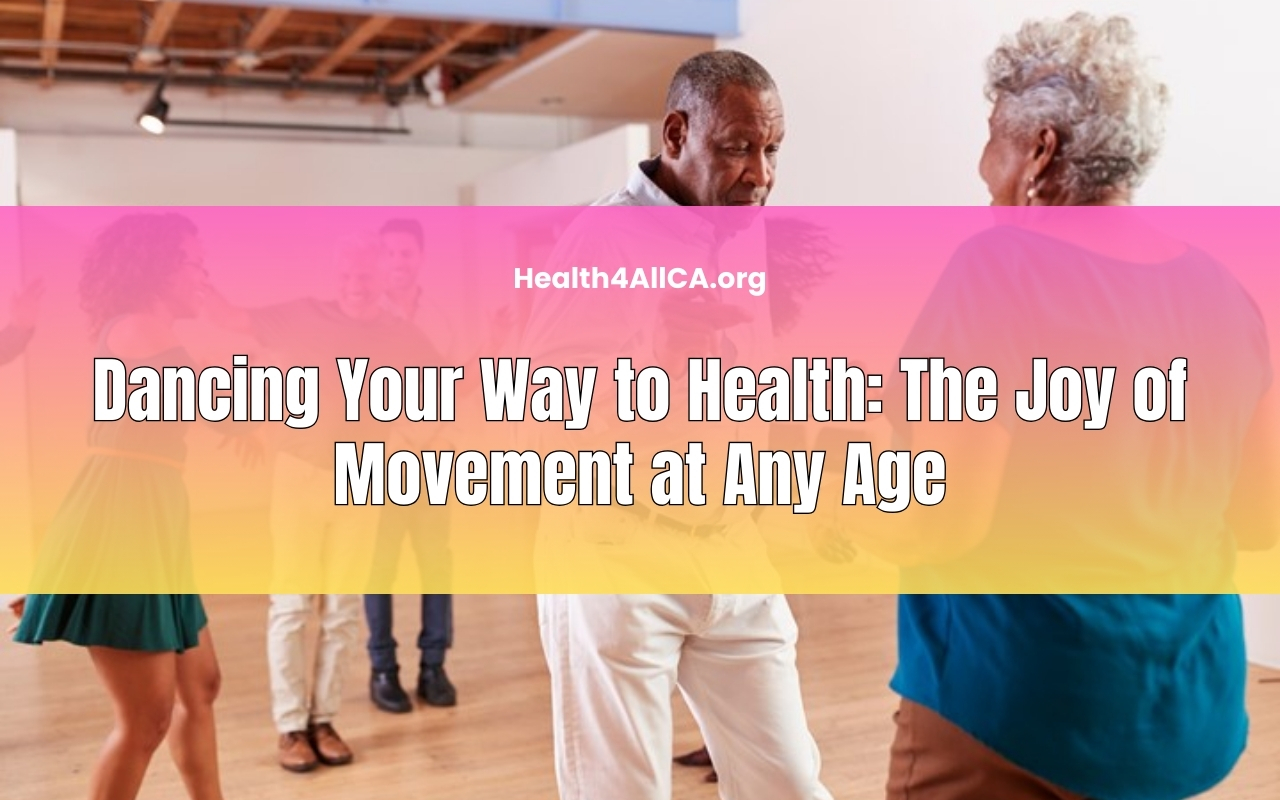
Dancing is a universal language that transcends age, culture, and experience. It is an expression of joy, a celebration of movement, and an invigorating form of physical activity that benefits both the mind and body. Whether you're a seasoned dancer or someone who shuffles your feet at family gatherings, the act of dancing can have profound implications for your health and happiness. As we explore the numerous benefits that dancing offers, it becomes evident that it is not just about rhythm and coordination; it's about embracing life, fostering connections, and enhancing overall well-being.
The Universal Appeal of Dance
From the vibrant streets of Rio de Janeiro during Carnival to the elegant ballrooms of Vienna, dance has been a cornerstone of human expression for millennia. Evidence suggests that our ancestors engaged in dance as far back as 70,000 years ago, illustrating its deep-rooted significance in human culture. The joy of movement through dance creates a natural connection to music and rhythm, allowing us to express emotions and communicate without words. Regardless of age or ability, everyone has the potential to find joy in dance.
Engaging in dance activates the body’s natural mechanisms to cope with stress and anxiety. According to Dr. Kelly McGonigal, a health psychologist and expert in the field of “science-help,” movement energizes us, helping our brains to respond more positively to joy and happiness. Through the act of dancing, individuals can experience an increase in serotonin levels, leading to an improved mood that can combat depression and anxiety.
Dance as a Tool for Physical Fitness
One of the most compelling reasons to incorporate dance into your physical activity routine is its myriad health benefits. Dancing provides a comprehensive workout that engages various muscle groups and promotes cardiovascular health. Unlike traditional forms of exercise, which can sometimes feel monotonous, dancing is dynamic, enjoyable, and often feels more like play than a workout.
Research supports the idea that dance can significantly enhance physical fitness. A systematic review published in Clinical Rehabilitation revealed that dance therapy improves exercise capacity and health-related quality of life for patients undergoing cardiac rehabilitation. This highlights that dance isn’t just beneficial for fitness enthusiasts; it provides a welcoming avenue for those recovering from illnesses or looking to incorporate movement into their lifestyles.
Moreover, dance has been linked to improvements in balance and coordination, particularly among older adults. A study conducted with elderly Brazilian participants who attended ballroom dance classes demonstrated remarkable increases in coordination, flexibility, and overall well-being. The immersive nature of learning dance routines not only enhances physical health but also fosters cognitive engagement, which is essential in combating age-related decline.
The Emotional Benefits of Dance
Dancing is not merely a physical activity; it's a powerful emotional outlet. When we dance, we tap into our feelings and allow ourselves to express emotions that may be challenging to articulate verbally. The combination of music, movement, and social interaction creates a unique environment where we can experience joy, elation, and sometimes even sadness – all in a safe and accepting space.
Numerous studies have highlighted the emotional benefits of dance. For instance, participation in dance programs has been shown to reduce feelings of distress among adolescents suffering from depression. Engaging in dance movement therapy can promote emotional stability, enhance self-esteem, and facilitate social connections. In particular, paired dancing has been associated with feelings of partnership and intimacy, which can lighten the burden of loneliness often experienced in today’s fast-paced society.
Moreover, the shared experience of dancing with others enhances our sense of community. Be it a salsa class, a Zumba session, or a wedding celebration, dancing brings people together, fostering connections that deepen relationships. These social interactions are crucial for emotional well-being and can serve as a buffer against stress.
Dance and Cognitive Function
The cognitive benefits of dancing are equally impressive. Engaging in dance requires memorization and coordination, which can stimulate brain activity and improve overall cognitive function. A study conducted among middle-aged and older adults revealed that engaging in dance not only improved memory but also enhanced spatial awareness, ultimately leading to better decision-making and problem-solving skills.
Learning new dance styles can also be beneficial for maintaining sharp cognitive abilities. The challenges associated with mastering choreography and rhythm encourage mental flexibility and adaptability. As adults age, activities that promote cognitive engagement—like dance—become even more vital in staving off conditions such as dementia and Alzheimer’s disease. Researchers have found that dance has profound effects on critical brain regions responsible for memory and balance, showcasing its effectiveness as a holistic approach to brain health.
Dancing Through the Ages
One of the most appealing aspects of dance is its accessibility across the lifespan. From toddlers taking their first steps to older adults rediscovering their youth through movement, dancing is an activity that can be enjoyed by all. There is no age limit to experiencing the joy of dance, and it can be easily adapted to fit individual capabilities and preferences.
For older adults, dance offers an excellent opportunity to maintain mobility and flexibility while engaging socially with peers. Programs designed for seniors, such as ballroom dance or gentle line dancing, not only provide physical exercise but also build camaraderie and a sense of belonging. Many facilities offering dance classes have reported significant improvements in the quality of life among their participants, including increased confidence and enhanced social ties.
Younger generations can benefit just as much from dance. Children who engage in dance develop not only physical skills but also emotional intelligence, as they learn to interpret music and express themselves creatively. Group dancing encourages teamwork and collaboration, making it a vital tool for fostering social skills among youth.
The Joy of Movement: Making Dance a Habit
Incorporating dance into daily life doesn’t have to be complicated. Whether it’s an impromptu solo dance session in your living room or a scheduled class at a local studio, the key is to find movement that you enjoy. As Dr. McGonigal highlights, our mindset plays a crucial role in how much we enjoy movement. When we approach dance with a sense of fun and willingness to express ourselves, the physical and emotional benefits multiply.
Creating a habit of dancing can be as simple as setting aside time each week to explore different styles or inviting friends to join you in a dance class. Finding a supportive community can make the experience even more enriching. Dance groups or classes will encourage you to step outside your comfort zone and build connections with those around you. With every move you make, you’re not just exercising; you’re invigorating your spirit.
Dance: A Lifelong Companion
As we navigate through the different stages of life, the joy of dance remains a constant companion. It transitions with us, adapting to our changing bodies and emotional landscapes. From the carefree days of youth, where spontaneous dance parties abound, to the more structured classes and social dances of later years, dance is there, always ready to lift our spirits and enhance our well-being.
Ultimately, dancing is about more than just physical movement; it encompasses the essence of who we are as human beings. It celebrates our connection to one another and to the larger world. Finding the time to dance, whether alone, with a partner, or in a group, allows us to cultivate joy and resilience, no matter our age.
So put on your favorite tunes, let go of inhibitions, and embrace the transformational power of dance. Whether you’re channeling your inner salsa dancer or simply swaying to your favorite ballad, remember: dancing is your birthright. It is an adventure that can lead to health, happiness, and connection at any age.
In conclusion, let the rhythm guide you, connect with your body, and allow the joy of movement to be your teacher. Embrace the dance—it's not just about your feet; it’s about your heart. As you take your first steps on this journey of dance, you’ll discover that every twirl, every leap, and every sway brings you closer to a healthier, happier you. Join the dance and let it transform your life.
For more insights into the benefits of dancing and how to incorporate movement into your life, explore resources such as the Greater Good Science Center and Heart-Mind Online.
Leave a Reply