Aging is an inevitable part of life, yet how we approach this journey can significantly influence our quality of life during our later years. Healthy aging involves a holistic approach that encompasses physical, mental, and emotional well-being. By adopting a proactive stance towards our health, we can navigate the aging process with vitality and grace. This article will explore natural tips for staying strong and vital as we age, emphasizing the importance of lifestyle choices, community involvement, and maintaining a positive mindset.
In our quest for healthy aging, nutrition plays a pivotal role. A balanced diet is not just about eating the right foods; it’s about nourishing our bodies with the essentials that support our overall health. As we age, our metabolic needs change, and it becomes crucial to focus on nutrient-dense foods that foster vitality. A diet rich in fruits, vegetables, whole grains, lean proteins, and healthy fats can provide the necessary nutrients to bolster our immune system, maintain energy levels, and support cognitive function.
Incorporating a variety of colorful fruits and vegetables into our meals should be a priority. These foods are packed with essential vitamins, minerals, and antioxidants that help combat inflammation and oxidative stress, both of which are linked to various age-related diseases. Research shows that diets high in antioxidants can significantly reduce the risk of chronic illnesses. For instance, berries, leafy greens, and cruciferous vegetables are particularly beneficial for their high antioxidant content. Additionally, whole grains such as quinoa, brown rice, and oats provide fiber that supports digestion and heart health.
Equally important is the inclusion of lean protein in our diets. Proteins are essential for building and repairing tissues and maintaining muscle mass, which naturally declines as we age. Incorporating sources such as fish, poultry, beans, and legumes can ensure adequate protein intake. Fatty fish like salmon and mackerel are particularly beneficial due to their high omega-3 fatty acid content, which has been linked to improved brain health and reduced inflammation.
Staying adequately hydrated is another crucial aspect of healthy aging that is often overlooked. As we grow older, our sense of thirst diminishes, making it vital to consciously drink water throughout the day. Proper hydration aids digestion, helps maintain skin elasticity, and supports overall bodily functions. Keeping a water bottle handy can serve as a reminder to stay hydrated, whether at home or on the go.
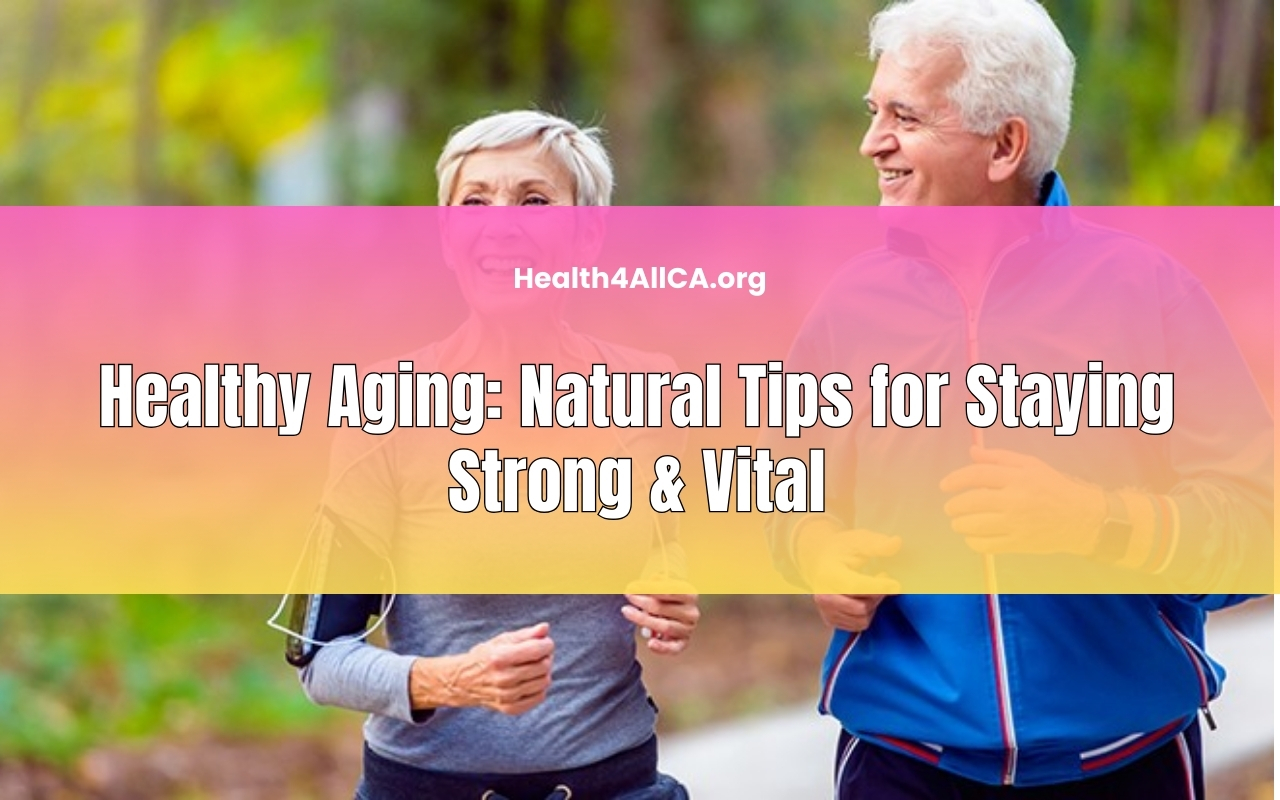
In addition to nutrition, physical activity stands as a cornerstone of healthy aging. Engaging in regular exercise not only strengthens our bodies but also enhances our mental well-being. The National Institute on Aging recommends at least 150 minutes of moderate-intensity exercise weekly, which can include brisk walking, swimming, or cycling. These activities promote cardiovascular health, improve muscle strength, and boost endurance.
Strength training is particularly important as it helps counteract age-related muscle loss. Simple exercises like weightlifting, resistance band workouts, and bodyweight exercises can be easily integrated into daily routines. Moreover, incorporating flexibility and balance exercises, such as yoga or tai chi, can significantly reduce the risk of falls, a common concern among older adults. These practices improve stability and enhance overall mobility, fostering confidence in physical capabilities.
Aging is not solely a physical journey; mental and emotional well-being is equally vital. Engaging in activities that challenge the mind can help keep cognitive abilities sharp. Lifelong learning through reading, puzzles, or continuing education classes stimulates brain function and can reduce the risk of cognitive decline. Socializing with friends and family is another essential component of mental health. Maintaining strong social connections has been shown to bolster emotional resilience, reduce feelings of loneliness, and enhance overall happiness.
Mindfulness and stress management techniques also play a fundamental role in promoting emotional health. Stress can significantly impact our physical well-being, leading to a plethora of health issues. Finding healthy ways to cope with stress, such as meditation, deep breathing exercises, or spending time in nature, can foster relaxation and improve mental clarity. Engaging in hobbies that bring joy and fulfillment can serve as effective outlets for managing stress and nurturing a positive mindset.
As we continue to explore the multifaceted approach to healthy aging, it’s essential to recognize the role of regular health checkups and preventive care. Regular screenings and checkups can catch potential health issues early, allowing for a proactive approach to treatment and management. Staying on top of health exams not only aids in maintaining good health but can also enhance the quality of life as we age.
While it’s essential to address our physical and mental health, emotional resilience is equally critical. A positive mindset can significantly influence how we perceive aging and navigate challenges. Cultivating gratitude and focusing on the positive aspects of life can enhance our overall perspective. Surrounding ourselves with positive influences and engaging in activities that promote joy can have profound effects on our mental and emotional health.
Embracing community involvement is another dynamic aspect of healthy aging. Staying engaged and active in our communities fosters a sense of purpose that contributes to overall satisfaction in life. Whether through volunteering, joining clubs, or participating in local events, creating connections with others enriches our lives and combats feelings of isolation.
Incorporating these natural tips into daily routines requires commitment and adaptability. However, the rewards can be transformative. By prioritizing a balanced diet, engaging in regular physical activity, nurturing mental and emotional well-being, and embracing community involvement, we can enhance our quality of life as we age. Healthy aging does not mean resisting the changes that come with age; rather, it represents embracing these changes with confidence and vitality.
Ultimately, the journey of aging can be a fulfilling and enriching experience when approached with intention. It is never too late to make positive changes that can impact health and well-being. A holistic approach to healthy aging encompasses the body, mind, and spirit, enabling individuals to thrive in their golden years. By implementing these strategies and maintaining a proactive attitude towards health, we can celebrate the beauty of aging while living life to the fullest.
For those seeking further information on healthy aging, resources like Healthline provide valuable insights into nourishing foods that support longevity. Additionally, exploring tips from organizations such as Traditions Health on maintaining mental and emotional well-being can offer more guidance on navigating the aging process gracefully.
Embrace healthy aging as a vibrant journey filled with opportunities for growth, connection, and vitality. Through intentional lifestyle choices, we can not only enhance our health but also enrich our lives as we move through the various stages of aging. Remember, it is within our power to shape our aging experience, making each moment count and celebrating the richness of life along the way.