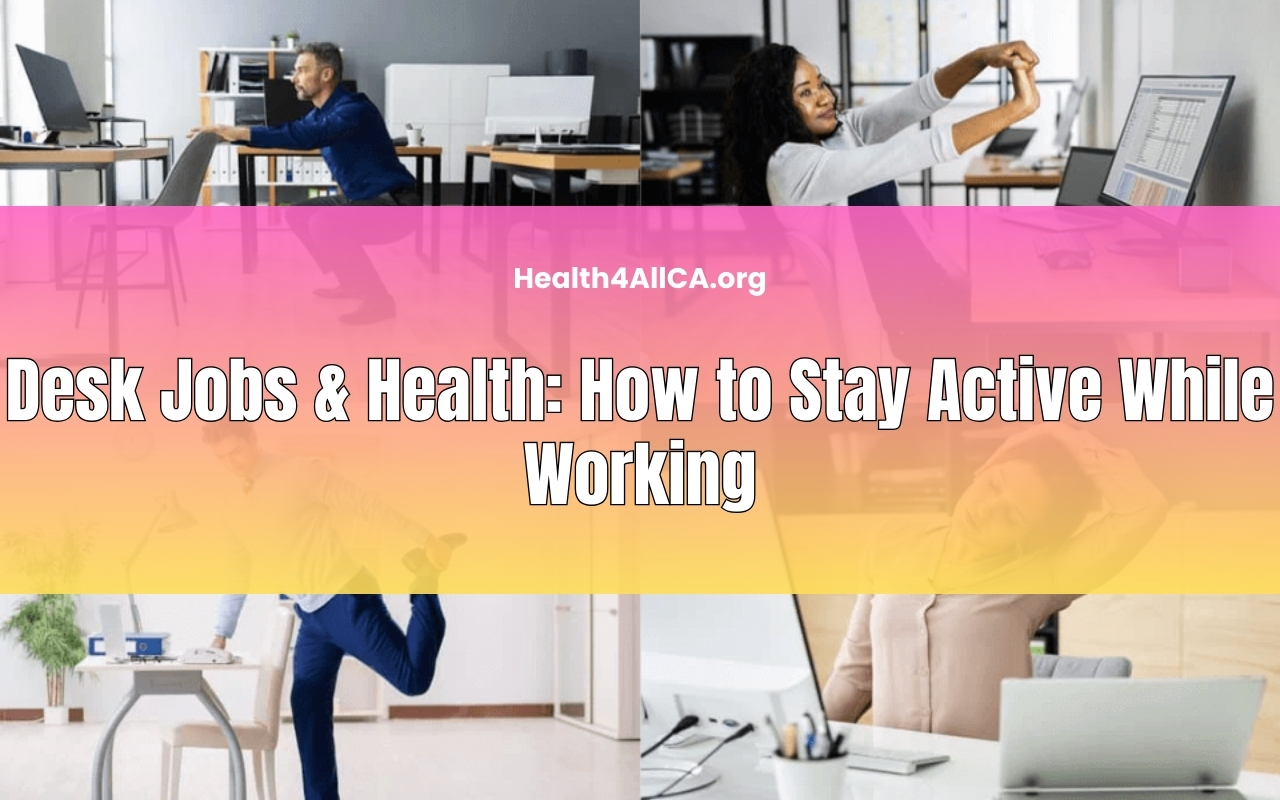
In today's fast-paced world, a significant portion of the workforce spends the majority of their day confined to a desk. This sedentary lifestyle, common in a range of professions from corporate settings to creative industries, poses a number of health risks, including obesity, cardiovascular disease, and mental health challenges. However, it is entirely feasible to cultivate a balanced approach to health and well-being even while working a desk job. By adopting simple changes and incorporating physical activity into your daily routine, you can mitigate the risks associated with long hours of sitting and enhance your overall productivity and well-being.
First and foremost, it’s essential to understand the adverse effects of prolonged sitting. Studies indicate that American adults spend an average of nearly eight hours a day sitting, which can contribute to a decline in physical health over time. Research shows that excessive sitting is linked to increased risks of heart disease, type 2 diabetes, and even early mortality. Moreover, the mental strain of a sedentary lifestyle can lead to issues such as anxiety and depression. Recognizing these risks is the first step toward adopting healthier habits.
To counteract the pitfalls of a desk-bound existence, it is vital to prioritize movement throughout the workday. One of the simplest yet most effective strategies is to incorporate regular physical activity into your routine. This can be as straightforward as standing up every hour for a brief break. Setting a timer or using reminders on your phone can encourage you to take these short breaks. During these five-minute intervals, consider taking a quick walk around the office, doing some stretches, or even performing light exercises. These micro-movements accumulate significantly over the course of the day and can improve circulation, boost energy levels, and enhance focus.
Integrating Movement into Your Workday
Modern office setups often provide opportunities to promote movement and integrate exercise seamlessly into your workday. For instance, consider investing in a standing desk or a desk converter that allows you to alternate between sitting and standing. This change can facilitate better circulation and reduce back pain, ultimately contributing to increased productivity. While adjusting to standing for longer periods may take some time, many individuals find this shift rejuvenates their energy levels and focus.
In addition to standing desks, utilizing active transportation methods can make a substantial difference. Opting to walk or bike to work when feasible is an excellent way to incorporate physical activity into your commute. If public transportation is your primary mode of transport, consider getting off a stop early and walking the remaining distance to your workplace. You may be surprised at how much these seemingly minor changes contribute to your overall health and well-being.
The Importance of Breaks and Exercise
Taking breaks is not just a health recommendation; it’s essential for maintaining mental clarity and productivity. Engaging in physical activity during breaks can offer significant benefits for both your physical and mental health. Studies indicate that taking short breaks from sitting can improve blood sugar levels, reduce the risk of developing type 2 diabetes, and enhance mental well-being. During these breaks, try incorporating exercises that can be done discreetly at your desk, such as chair squats, desk push-ups, or leg raises. These simple movements help keep your muscles engaged and are a practical way to stay active despite your work environment.
Walking meetings are another innovative approach to increase activity while addressing work matters. Instead of convening in a conference room, suggest taking your discussions outdoors or around the office. This not only infuses a fresh ambiance into the meeting but also encourages spontaneous creativity and collaboration. Studies have indicated that walking can stimulate new ideas and foster a more open dialogue among colleagues, thereby enhancing teamwork.
Staying Hydrated and Mindful of Your Diet
An often-overlooked aspect of maintaining health while working at a desk is proper hydration. Keeping a water bottle at your desk serves as a constant reminder to drink water throughout the day. Staying hydrated not only supports overall health but also encourages regular movement, as you’ll need to get up to refill your bottle or use the restroom. Moreover, balancing your diet is equally crucial. Aim to choose nutritious snacks that can fuel your energy levels and sustain focus. Incorporating fruits, nuts, or yogurt into your diet can help you avoid the sugar crashes that often accompany processed snacks.
Beyond hydration and nutrition, consider how you can incorporate exercise into your daily routine. Engaging in light stretches at your desk can help alleviate tension and improve posture. Simple movements such as neck rolls, shoulder shrugs, and toe touches can counteract the muscle stiffness that arises from sitting for prolonged periods. Establishing a routine can normalize movement as part of your workday, making it easier to integrate into your life.
Utilizing Technology to Encourage Activity
As technology continues to evolve, there are numerous tools available to support an active lifestyle, even within the confines of a desk job. Many individuals find that using fitness trackers or pedometers can significantly increase their daily activity levels. These devices allow you to monitor your steps, set daily goals, and even engage in friendly competition with colleagues. Such features can help foster accountability and encourage movement throughout your workday.
Moreover, consider adopting apps that send reminders to get up and move. These notifications can serve as gentle nudges to take a break or perform a brief exercise session, making it easier to stay active. Engaging with fitness groups or clubs within your workplace can also provide motivation and camaraderie. Participating in organized activities can transform exercise from a solitary pursuit into a shared experience that enhances team bonding and fosters a supportive environment.
Conclusion: Embrace Movement for a Healthier Future
In conclusion, the challenges posed by desk jobs do not have to hinder your health and well-being. By consciously integrating movement into your routine and making small adjustments to your work habits, you can actively combat the dangers of a sedentary lifestyle. Embracing these changes can lead to improved physical health, increased productivity, and enhanced mental clarity.
Remember, it’s about progress, not perfection. Start small and gradually increase your activity levels as you become more comfortable. With commitment and the right mindset, you can transform your work environment into a place that fosters health and vitality.
By making these thoughtful choices, you are investing in your health and well-being for years to come. The journey to a more active and fulfilling work life starts with each step you take—be it literal or metaphorical. Embrace the challenge and take charge of your health today for a healthier, more productive tomorrow.
For further reading and insights on maintaining an active lifestyle at work, you can explore resources such as Maxim Recruitment and MU Health. These platforms offer a wealth of tips and strategies to help you stay active and healthy in a desk job setting.