
In today's fast-paced world, the importance of self-care and holistic wellness is often overlooked. Many people feel trapped in their busy lives, constantly prioritizing the needs of others over their own, which can lead to burnout, stress, and a myriad of health issues. However, self-care is not merely a luxury; it is a necessity for maintaining balance and overall well-being. The good news is that self-care can be both affordable and easy to incorporate into your daily life, making it accessible to everyone.
The journey toward holistic wellness begins with understanding that it encompasses not just physical health but also emotional, mental, and spiritual well-being. This article outlines simple, effective steps to achieve affordable self-care and promote a holistic approach to wellness that fits into even the busiest schedules.
Redefining Self-Care
At its core, self-care is about recognizing and addressing your needs. It involves making intentional choices that nurture your body, mind, and spirit. Unfortunately, many misconceptions surround self-care, often equating it with indulgent spa treatments or extravagant vacations. True self-care can be much simpler, focusing instead on maintaining a healthy lifestyle and fostering a positive mindset.
To redefine self-care, one must understand that it is not selfish; rather, it is a vital component of being able to care for others effectively. When you prioritize your well-being, you cultivate the strength and energy necessary to support those around you. This mindset shift is the first step toward establishing a sustainable self-care routine that works for you.
Creating an Affordable Self-Care Routine
Implementing a self-care routine does not have to be costly. With a few intentional strategies, you can develop a comprehensive plan that nurtures all aspects of your well-being without breaking the bank. The key is to start small, incorporating basic practices that fit seamlessly into your daily life.
Prioritize Sleep
Quality sleep is foundational to holistic wellness. A well-rested body and mind enhance your ability to cope with stress, improve your mood, and boost your overall health. Begin by establishing a consistent sleep schedule, going to bed, and waking up at the same time each day. Create a bedtime routine that signals to your body it’s time to wind down. This might include dimming the lights, avoiding screens at least an hour before bed, and engaging in calming activities such as reading or meditation. By prioritizing sleep, you begin to lay the groundwork for better physical and emotional health.
Move Your Body
Incorporating physical activity into your day is crucial for maintaining physical health and emotional well-being. You don't need an expensive gym membership to stay active. Instead, find creative ways to integrate movement into your routine. This could mean taking short walks during breaks at work, following free workout videos on platforms like YouTube, or even dancing in your living room. Aim for at least 30 minutes of moderate exercise most days of the week. Remember, consistency is more important than intensity. The more you make movement a regular part of your life, the easier it becomes.
Nourish Your Body
Eating well is another integral aspect of self-care. Nutrition plays a significant role in how you feel both physically and mentally. You don’t have to spend a fortune on organic foods or trendy diets; instead, focus on whole foods that are nutritious and budget-friendly. Plan your meals ahead of time, avoiding last-minute unhealthy choices that can derail your efforts. Incorporate a balance of fruits, vegetables, whole grains, and lean proteins into your meals.
Consider meal prepping to save time and ensure you have healthy options readily available. Cooking in bulk can lead to fewer takeout orders and lower food costs in the long run. Simple recipes that use inexpensive ingredients can be both satisfying and nourishing. Additionally, starting your day with a protein-rich breakfast helps maintain energy levels and prevents unhealthy snacking later.
Engage in Mindful Practices
Mindfulness and relaxation techniques are essential for managing stress and enhancing emotional well-being. These practices can easily fit into your daily life and require little to no financial investment. Consider dedicating a few minutes each day to mindfulness exercises such as meditation, deep breathing, or progressive muscle relaxation. Not only do these techniques help calm your mind, but they also increase your awareness of your body and emotional state, leading to better self-regulation.
You can practice mindfulness anywhere, whether by focusing on your breath in a quiet corner, taking a mindful walk through nature, or engaging in yoga. Mindfulness encourages you to be present in the moment, acknowledging your feelings without judgment. This can be especially helpful during stressful times, allowing you to respond thoughtfully rather than react impulsively.
Nurture Your Relationships
Social connections play a vital role in our emotional health. Foster relationships that uplift and support you, while setting boundaries with individuals who drain your energy. Prioritize spending quality time with loved ones, whether through face-to-face interactions or virtual meet-ups. Engaging in meaningful conversations, sharing experiences, or simply enjoying shared activities can significantly enhance your sense of belonging and overall happiness.
Consider joining a community group or a hobby class that interests you. Being around like-minded individuals can provide a much-needed boost to your emotional well-being and create new friendships. Remember, cultivating relationships is a two-way street; invest time and effort in nurturing these connections.
Embracing Nature
Spending time outdoors is a powerful yet often overlooked aspect of self-care. Nature has a natural ability to rejuvenate and refresh the mind and spirit. Engage in activities such as hiking, gardening, or simply walking in a park. Aim to immerse yourself in nature regularly, as even a short time outdoors can elevate your mood and alleviate feelings of stress.
When in nature, pay attention to your surroundings: observe the colors, listen to the sounds, and breathe in the fresh air. This practice aligns with mindfulness and enhances your connection to the present moment. If possible, create a small outdoor sanctuary at home—a space for relaxation and reflection. This could include comfortable seating, plants, or even a small water feature.
Creative Outlets
Engaging in creative activities can be incredibly therapeutic. Whether you enjoy painting, writing, knitting, or any other form of expression, allowing yourself to engage in creativity can relieve stress and promote emotional well-being. You don’t need to be an expert; simply exploring your creative interests can lead to self-discovery and joy.
Consider setting aside time each week to pursue a creative project. This could be as simple as journaling your thoughts, starting a scrapbook, or trying your hand at painting. The goal is to express yourself freely, without the pressure of judgment or perfection. Creativity often leads to a sense of accomplishment, enhancing your emotional resilience and reducing stress.
Overcoming Barriers to Self-Care
Many individuals encounter barriers that prevent them from engaging in self-care. Time constraints and financial limitations are common challenges, but they can be overcome with mindful planning and prioritization. Start by identifying small self-care habits that fit easily into your routine. Building these habits gradually can lead to significant changes over time.
Addressing feelings of guilt associated with self-care is also crucial. Many caregivers and busy individuals often feel that prioritizing themselves is selfish. Remind yourself that self-care is essential for your ability to care for others. By taking care of your own needs, you enhance your capacity to support and uplift those around you.
Setting boundaries is another important aspect to consider. Protect your time and energy by learning to say no and engage in activities that truly nourish you. This may involve reevaluating commitments that do not serve your well-being and seeking to fill your time with enriching experiences instead.
Continuous Growth and Reflection
Self-care is not a one-time task; it is an ongoing journey that requires continuous reflection and adaptation. Regularly assess your self-care practices and their impact on your overall well-being. Take note of what works for you and what doesn’t. This awareness will empower you to make necessary adjustments and continue progressing on your holistic wellness journey.
Consider keeping a self-care journal where you can document your reflections, challenges, and successes. Writing down your thoughts can provide clarity and reinforce your commitment to self-care. Additionally, celebrate your achievements, no matter how small. Recognizing your progress encourages motivation and a positive mindset.
Conclusion
Incorporating affordable self-care practices into your daily life is not only possible but also essential for achieving holistic wellness. By prioritizing sleep, nourishing your body, engaging in mindful practices, nurturing relationships, and embracing creativity, you lay the foundation for a balanced and fulfilling life. Remember, self-care is not an indulgence; it is a crucial aspect of maintaining your health and well-being.
The journey toward self-care and holistic wellness may have its challenges, but with intentional effort and a willingness to invest in yourself, you can cultivate a resilient and joyful life. Start small, be consistent, and above all, be kind to yourself. You deserve to thrive, and with each step you take toward self-care, you empower not only yourself but those around you as well.
For further guidance on enhancing your self-care practices, consider exploring resources such as Key Family Healthcare and Laurel Therapy that provide valuable insights and tips on affordable self-care strategies. Your wellness journey starts today—embrace it!

 In today's fast-paced world, achieving health and wellness can often feel like an overwhelming challenge. The key is not only to focus on holistic practices but also to consider natural solutions that are both effective and affordable. This article explores a range of natural health solutions that can enhance your well-being without straining your finances. We'll delve into dietary choices, alternative therapies, and lifestyle changes that promote health while being mindful of your budget.
 In today’s fast-paced world, the quest for balance often feels burdensome, especially when financial constraints come into play. Yet, living a balanced life doesn’t have to signal the end of financial wisdom; instead, it can harmoniously coexist with financial prudence. The principles of wellness can guide individuals through this intricate balancing act, allowing them to prioritize their health and well-being while maintaining a budget. This article delves into the intersection of wellness and financial health, offering practical strategies for achieving balance without breaking the bank.
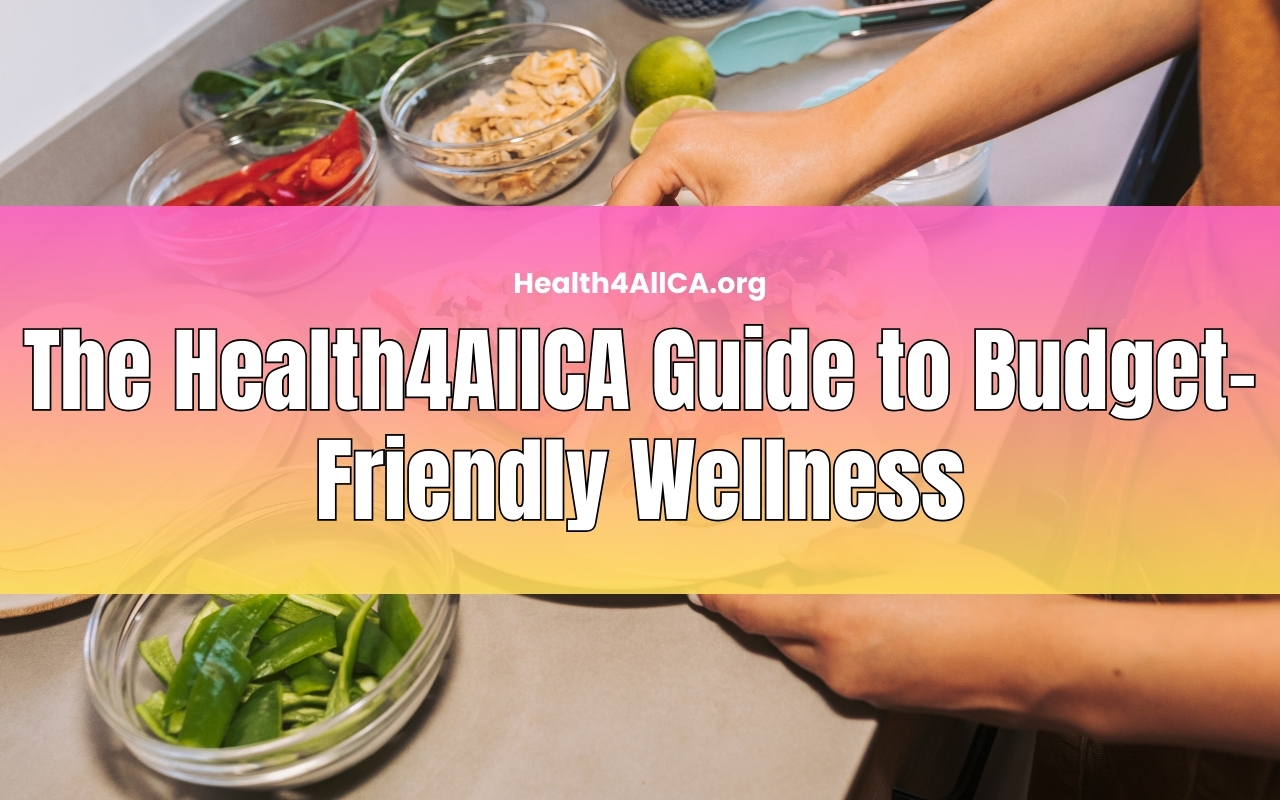 In a world increasingly driven by the pursuit of health and wellness, the perception that achieving a balanced lifestyle requires significant financial investment has become widespread. However, this belief is not entirely accurate. The path to wellness can be not only enriching but also accessible to everyone, even those on a budget. The Health4AllCA Guide to Budget-Friendly Wellness aims to demystify the wellness journey and provide you with practical strategies for enhancing your health without the financial burden.